
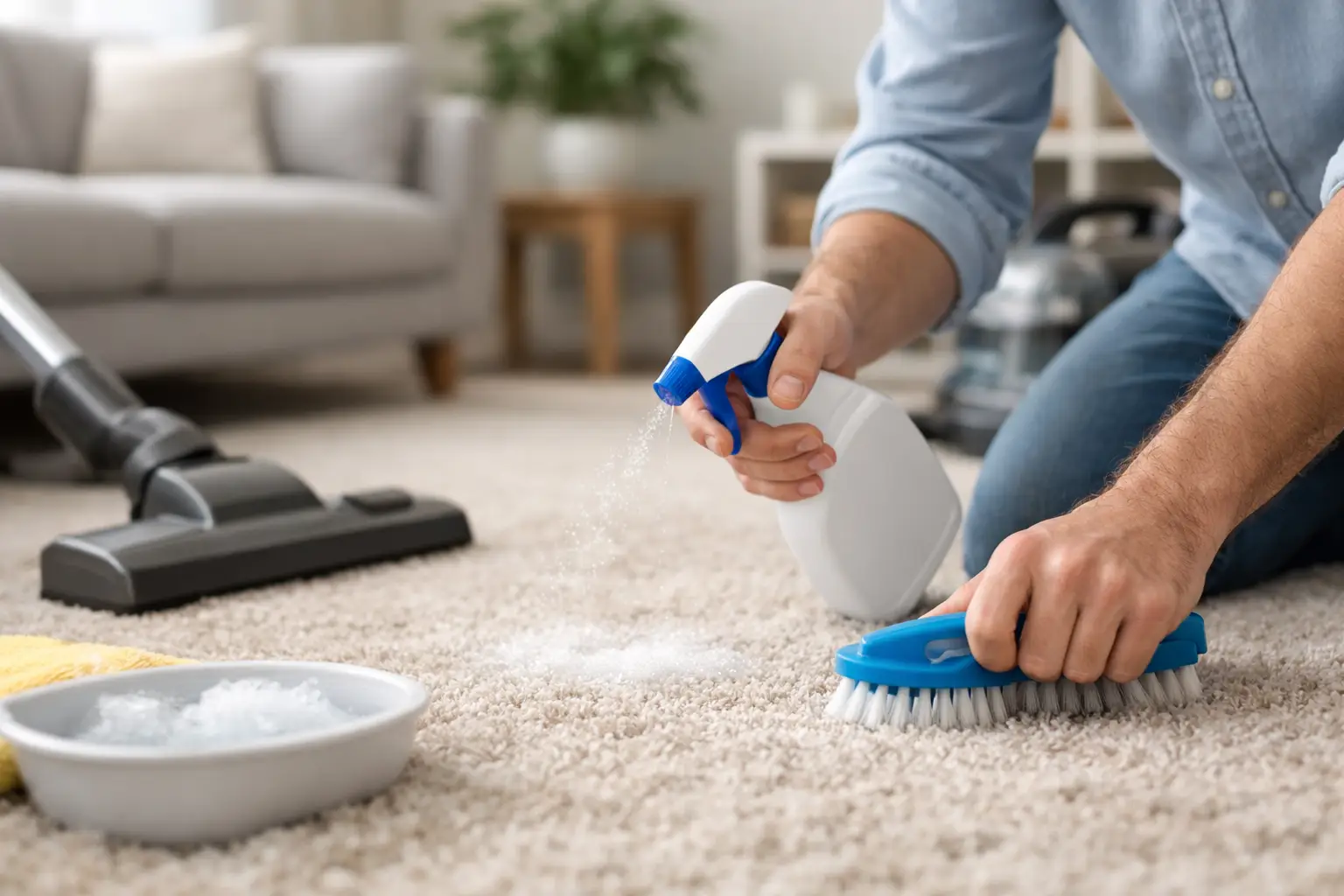
That worn path from the entryway to the kitchen tells the truth. Carpet does not fail all at once. It breaks down a little at a time from grit, moisture, pet traffic, shoe soil, and the kind of spots people mean to clean later. A solid homeowner guide to carpet maintenance starts there – with the understanding that most carpet damage comes from everyday buildup, not one dramatic spill.
If you want carpet to look better, smell cleaner, and last longer, the goal is not constant scrubbing. The goal is smart routine care, fast response to accidents, and professional deep cleaning before the fibers get packed down with embedded soil. That is how you protect appearance, indoor air quality, and the investment you already made in your flooring.
What carpet is really up against
Most homeowners think in terms of stains because stains are visible. The bigger problem is usually dry soil. Fine grit settles deep into the pile, then acts like sandpaper as people walk across it day after day. By the time the carpet looks dingy, the wear has often been building for months.
In Wisconsin homes, the problem gets worse with the seasons. Winter brings salt, slush, and tracked-in moisture. Spring and summer bring pollen, dust, and mud. Fall tends to load carpet with leaves, debris, and more foot traffic as households move back indoors. Pet owners deal with an added layer of hair, dander, oils, and the occasional accident that reaches below the surface.
That is why maintenance is not just about looks. Clean carpet helps control odor, reduces allergen buildup, and keeps fibers from matting down prematurely. It also makes the whole room feel better cared for.
A homeowner guide to carpet maintenance that actually works
The best maintenance plan is simple enough to keep doing. If it is too complicated, it will not last. Good carpet care comes down to frequency, technique, and timing.
Vacuum more often than you think
For most homes, vacuuming once a week is the bare minimum. High-traffic areas usually need attention two to three times a week, especially around entrances, hallways, living rooms, and under dining tables. Homes with pets or kids often need even more frequent passes.
Technique matters. Move slowly enough for the vacuum to pull dry soil out of the base of the fibers, not just the surface. Quick back-and-forth passes may make the carpet look fluffed, but they do not remove the grit doing the damage. If your vacuum bag or canister is packed full, performance drops fast.
A quality vacuum with strong suction and a properly adjusted beater bar does a better job than a lightweight machine that skims the top. That said, aggressive settings can be hard on certain carpet styles. It depends on the fiber and pile. If the carpet fuzzes or distorts, the vacuum may be too rough or set too low.
Stop soil before it gets buried
Entry areas do a lot of heavy lifting. A proper mat outside and another just inside the door can catch a surprising amount of dirt and moisture before it reaches the carpet. This is one of the easiest ways to cut down on wear.
Shoes are another factor. In many homes, a no-shoes habit makes a noticeable difference, especially during wet and snowy months. You do not have to run a spotless house to protect your carpet, but reducing tracked-in grit pays off over time.
Rotate furniture and foot traffic when you can
Carpet wear is not always about dirt. Repeated pressure in the same spots crushes fibers and creates visible traffic lanes. If room layout allows, shift furniture slightly from time to time and change traffic patterns where possible. Even small changes help distribute wear more evenly.
Area rugs can also help in trouble spots, but they are not a cure-all. A rug protects one area while changing wear patterns in another. It depends on the room and how people use it.
Spot cleanup: fast is good, aggressive is not
Most spot damage happens during cleanup, not during the original spill. Homeowners often scrub too hard, use too much product, or soak the area. That can spread the stain, damage fibers, or leave a sticky residue that attracts even more soil.
Blot first, do not scrub
If something spills, blot with clean white towels or plain paper towels right away. Press down to lift moisture out. Do not rub back and forth. Scrubbing frays the fibers and drives the material deeper.
Work from the outside toward the center so the spot does not spread. Repeat with fresh towels until transfer slows down.
Use less solution than you think
A mild carpet-safe spotter can help, but overusing it creates another problem. Too much cleaning solution can stay in the carpet and turn that spot into a dirt magnet. Light application is the safer move.
This is especially true with pet accidents. The visible spot is only part of the issue. If urine gets into the pad or subfloor, surface cleaning will not fully solve the odor. It may smell fine at first, then return when humidity rises. That is when homeowners realize they are dealing with contamination below the fibers, not just a stain on top.
Test before treating
Not every carpet fiber responds the same way. Some spotters can affect color or texture, especially if they are used too strong or left too long. Testing in a less noticeable area first is the smart move. If you are unsure what caused the stain or what the carpet is made of, caution beats guesswork.
Odor control is not the same as real cleaning
Powders, sprays, and scented products can mask a problem, but they rarely remove the source. In some cases, they make professional cleaning more difficult because they leave residue deep in the pile.
Real odor control comes from removing the material causing the smell. Food spills, pet accidents, body oils, tracked-in moisture, and general soil all build up over time. Once those materials settle below the surface, vacuuming and store-bought deodorizers only go so far.
This is where deep hot water extraction makes the difference. It flushes out embedded soils, residues, and contaminants that household machines usually leave behind. For homes with pets, recurring spots, or heavy traffic, that deeper cleaning is often what finally resets the carpet.
When professional cleaning is the right move
There is routine maintenance, and then there is restorative cleaning. Homeowners can handle a lot with regular vacuuming and careful spot response, but there comes a point when the carpet needs professional equipment and trained hands.
If the carpet looks dull even after vacuuming, if traffic lanes stay dark, if odors keep returning, or if spots reappear after drying, it is time. The same goes for homes with pets, allergy concerns, or heavy seasonal buildup from mud and winter salt.
Why method matters
Not all carpet cleaning is equal. Superficial cleaning can improve appearance for a short time without actually removing what is buried deep in the fibers. Truckmounted hot water extraction remains the highest-standard method for flushing out embedded dirt, allergens, stains, and odor-causing residues from carpet.
That matters because carpet does not just need to look clean. It needs to be cleaned thoroughly enough that residue is removed rather than left behind. Safe, properly selected cleaning agents matter too, especially in homes with children and pets.
At Lake Geneva Carpet Cleaning, that quality-first approach is the whole point. Trained technicians, truckmounted hot water extraction, and pet-safe, eco-friendly cleaning agents deliver the kind of deep cleaning homeowners cannot get from surface-level methods. If concerns come up afterward, the company backs its work with a 10-day response window, which is exactly how professional service should be handled.
How often should carpet be professionally cleaned?
It depends on the home. A quieter household with no pets may do well on a longer cycle. Families with children, pets, high traffic, or allergy concerns usually need more frequent professional maintenance to stay ahead of buildup.
The mistake is waiting until the carpet looks bad. By then, soil has often been grinding into the fibers for a long time. Preventive cleaning is easier on the carpet than delayed rescue cleaning. It helps preserve texture, color, and overall life expectancy.
The best habits are the ones you will keep
A good homeowner guide to carpet maintenance is not about chasing perfection. It is about protecting your home from the slow damage that everyday dirt causes. Vacuum on a real schedule, treat spots carefully, keep moisture and grit at the door, and bring in professional deep cleaning before traffic lanes and odor become permanent problems.
Carpet responds well to consistent care. Give it that, and it will reward you with a cleaner-looking home, a fresher indoor environment, and fewer headaches when life gets messy. If your carpet already feels past routine upkeep, call 262-581-6140 and get it handled the right way.
Leave a Reply