
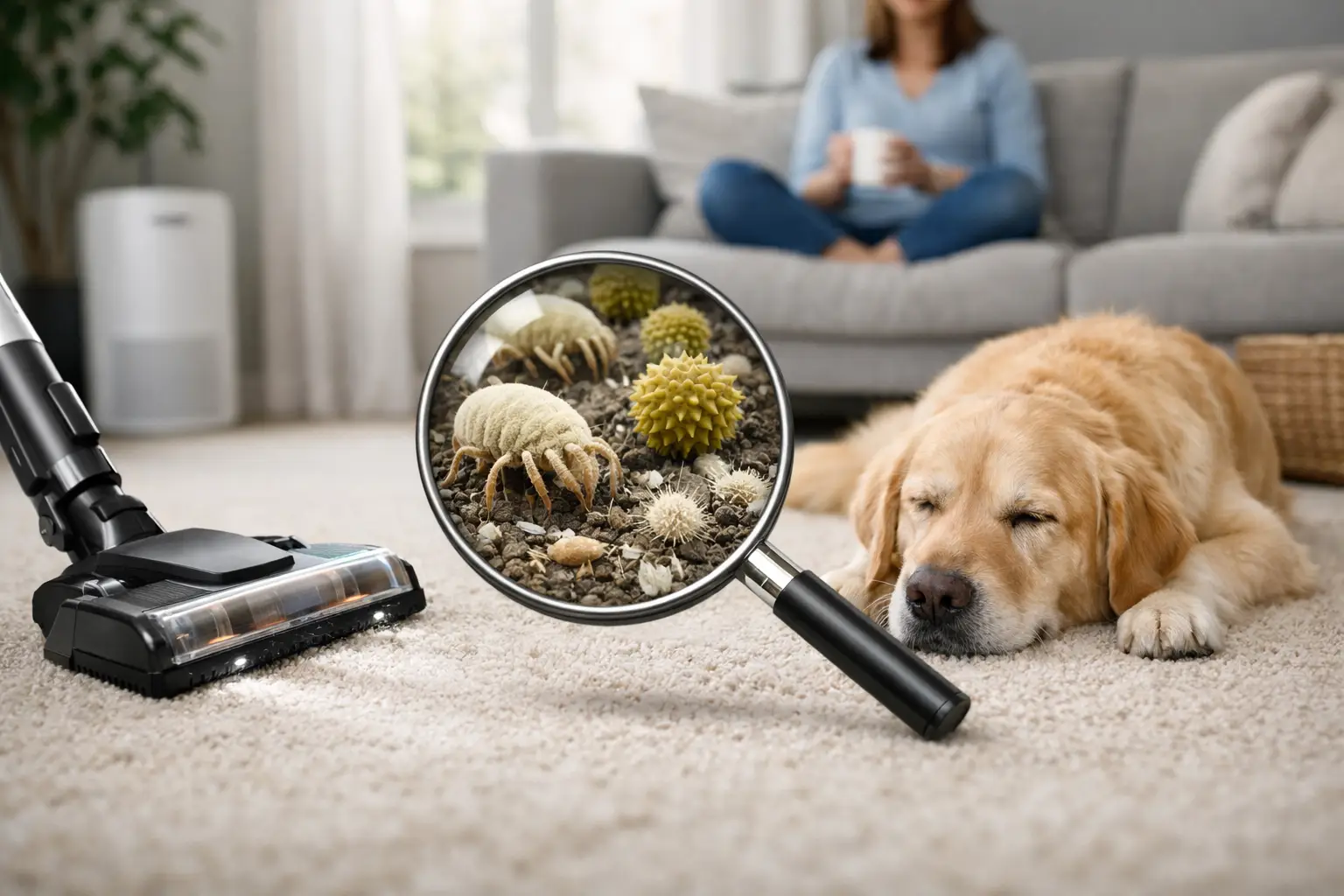
When allergy symptoms flare up at home, carpet is often part of the story. A good allergen reduction guide for carpeted homes starts with one simple truth – carpet can trap irritants, but it can also hold onto them until they are properly removed. That means the goal is not panic or ripping out flooring. The goal is smarter maintenance, better cleaning methods, and less buildup over time.
For many households, especially families with kids, pets, and busy foot traffic, carpet stays because it adds comfort, warmth, and noise control. The problem starts when dust mites, pet dander, pollen, tracked-in soil, and fine particles settle deep into the pile. Once that buildup gets established, basic surface cleaning is often not enough. If you want cleaner indoor air and a healthier living space, you need a plan that works below the surface.
Why carpets hold allergens in the first place
Carpet fibers act like a filter. They catch and hold airborne material that would otherwise keep circulating through the room. That is not automatically bad. In some cases, trapping particles can be better than letting them stay in the breathing zone. The issue is what happens next. If those particles are not removed thoroughly, every step across the room can disturb them and send some of them back into the air.
This is why allergy control in carpeted homes depends on consistency. A carpet that is vacuumed correctly, cleaned on schedule, and protected from moisture problems is very different from one that gets occasional attention and a lot of traffic. The material matters, the age of the carpet matters, and the number of people and pets in the home matters too.
The real-world allergen reduction guide for carpeted homes
If you want results, focus on the biggest sources of buildup first. Most allergens in carpeted homes come from daily living, not dramatic events. Shoes bring in outdoor particles. Pets shed constantly. Upholstery and bedding release fibers and dust. Open windows during high pollen seasons can add another layer. The answer is to reduce what comes in, remove what settles, and avoid conditions that let contaminants linger.
Vacuuming is the first line of defense, but only when it is done well. Fast, occasional passes over the middle of the room will not do much for embedded debris. Use a vacuum with strong suction and a quality filtration system. Go slowly, overlap your passes, and give extra attention to traffic lanes, edges, and areas where pets rest. In active homes, once a week may not be enough. Two to three times weekly is often more realistic, especially during allergy season or when pets are in the picture.
Entry control matters more than most people think. If dirt, pollen, and fine debris never make it past the door, they do not get worked into the carpet. Use sturdy mats at entrances and get serious about a shoes-off routine. That one change can reduce what gets ground into the fibers day after day.
Humidity control is another piece that gets overlooked. Allergens are one problem, but moisture creates a bigger one. When carpets stay damp from spills, wet shoes, or indoor humidity, you increase the risk of odor issues and microbial growth. Keep indoor humidity in a healthy range, dry spills promptly, and do not let wet areas sit. A clean carpet should also be a dry carpet.
Where homeowners often lose ground
Many people assume that if a carpet looks fairly clean, it probably is. That is not how it works. Fine soil, dander, and microscopic debris do not always change the appearance right away. By the time the carpet looks dull or starts holding odors, there is usually a lot more embedded in it than you can see.
Spot cleaning is another common weak point. When spills or pet accidents happen, people often scrub hard or use whatever cleaner is closest. That can push contamination deeper, leave sticky residue behind, or damage fibers. Residue is especially bad because it attracts more soil after the area dries. If the goal is allergen reduction, the last thing you want is a carpet that holds onto more dirt because of improper cleaning.
Then there is the bargain-machine problem. Rental equipment can help in some situations, but the results depend heavily on the machine, the operator, and how much residue and moisture are left behind. If the carpet is overwet or not rinsed thoroughly, you can trade one problem for another. For households dealing with ongoing allergy concerns, a higher standard of cleaning makes a real difference.
Professional carpet cleaning and allergen control
This is where professional hot water extraction earns its reputation. Done properly with truckmounted equipment, it reaches deeper into the carpet, flushes out embedded soil and allergens more effectively, and removes more moisture than weaker systems. That matters because the objective is not just to freshen the surface. It is to extract what has settled into the carpet backing and fibers over time.
A quality professional cleaning schedule depends on the household. Some homes can do well with annual service. Others need it more often because of pets, kids, heavy traffic, or a family member with strong allergy sensitivity. There is no one-size-fits-all answer, but there is a clear pattern – when carpets are cleaned thoroughly before buildup gets out of hand, they stay in better shape and contribute less to indoor air quality problems.
For homeowners who want dependable results, Lake Geneva Carpet Cleaning uses truckmounted hot water extraction because it is the highest-standard method for deep carpet cleaning. That means better removal of embedded dirt, allergens, stains, and odors, along with the kind of workmanship that comes from decades of hands-on experience. For allergy-conscious homes, that level of cleaning is not a luxury. It is the standard that makes sense.
Room-by-room priorities that actually help
Bedrooms deserve more attention than they usually get. People spend hours there every night, and soft surfaces collect a lot of dust and dander. Vacuuming thoroughly around and under the bed helps, but the carpet is only one part of the equation. If bedding, curtains, and upholstered furniture are neglected, the room will keep feeding particles back into the space.
Living rooms tend to take the heaviest daily use. That means more tracked-in soil, more pet activity, and more airborne material settling into the carpet. If there is one room where frequent vacuuming and scheduled deep cleaning pay off quickly, this is it.
Hallways and stairs are often the dirtiest carpeted areas in the house because the traffic is concentrated. They may not seem like allergy hot spots, but they are constantly grinding particles deeper into the fibers and carrying them from one room to another. These areas need regular attention, not just occasional touch-ups.
What to do if you have pets
Pet owners have a bigger job, but it is manageable. Dander, fur, tracked-in debris, and accidents can all add to the allergen load. That does not mean carpet and pets can never coexist. It means you need a tighter maintenance routine.
Vacuum more often in the rooms your pets use most. Wash pet bedding regularly. Brush and groom pets consistently to cut down on loose hair and dander inside the home. If accidents happen, deal with them fast and thoroughly. Odor and contamination that sink beneath the surface do not go away on their own.
Professional odor treatment and pet accident remediation can be especially important here because the problem is often below what the eye can see. If a room still smells off after surface cleaning, there is usually more going on in the carpet or padding.
A cleaner carpet supports cleaner indoor air
No carpet cleaning plan will remove every allergen from a home forever. People live there. Pets live there. Seasons change. Windows open. Life happens. But that does not mean you settle for constant buildup.
The best allergen reduction guide for carpeted homes is practical, not extreme. Vacuum thoroughly and often. Reduce what gets tracked in. Keep carpets dry. Handle spots correctly. And when the carpet needs a true reset, have it cleaned with professional equipment that is built to extract what household vacuums leave behind.
If your carpeted home feels dusty, smells stale, or seems to trigger more sneezing than comfort, that is your sign to stop guessing and start removing the problem at its source. Cleaner carpet does not just look better underfoot. It helps the whole room feel better to live in.
Leave a Reply