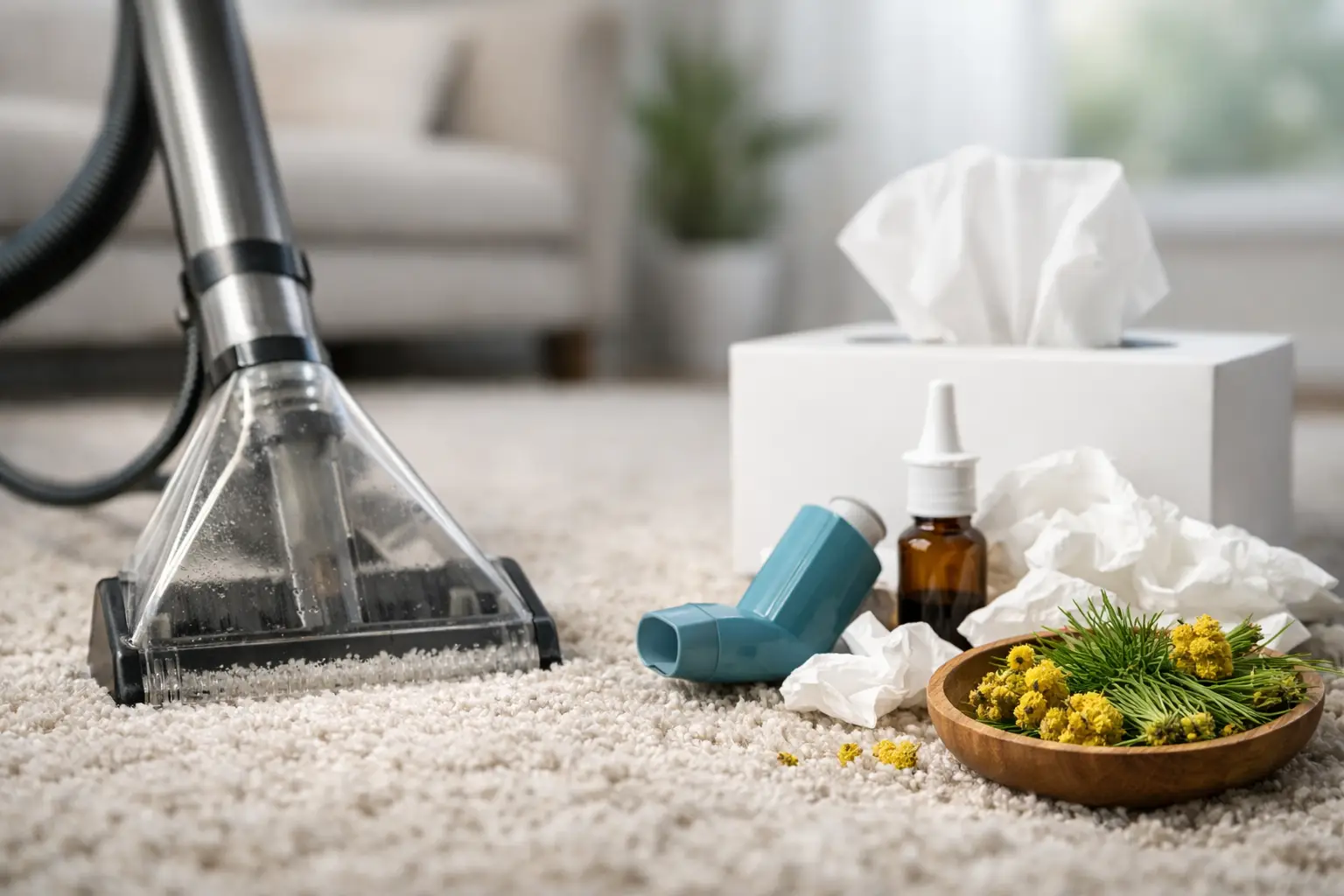
If your carpet looks clean but your nose says otherwise, there is a reason. Allergens do not sit politely on the surface waiting to be vacuumed up. Dust mites, pet dander, pollen, and fine debris work their way down into the pile, cling to fibers, and build up over time. That is why allergy relief is not just about making carpet look better. It is about removing what is buried deep inside it.
For most homes and small businesses, the best carpet cleaning method for allergies is professional hot water extraction, especially when it is done with powerful truckmounted equipment and proper drying. That is the short answer. The longer answer matters, because not every cleaning method removes allergens equally well, and some methods can leave behind residue or fail to reach what is causing the problem in the first place.
The best carpet cleaning method for allergies
Hot water extraction stands above the rest because it does two jobs at once. It flushes contaminants out of the carpet fibers and then removes them with strong suction. That matters for allergy control. You do not want allergens loosened up and left behind. You want them extracted.
When done correctly, hot water extraction reaches deep into the carpet, where dry soil, microscopic debris, dust mite waste, pet dander, and tracked-in pollen tend to collect. The cleaning solution is worked in at the right level, hot water helps break apart the buildup, and the extraction step pulls the contamination out of the carpet rather than just moving it around.
This is also where equipment quality makes a real difference. Professional truckmounted systems generate more heat, stronger vacuum power, and better soil recovery than most portable or rental machines. That means deeper cleaning, less leftover moisture, and less residue. For allergy-sensitive households, those details are not minor. They are the difference between carpet that is truly cleaner and carpet that simply smells freshly cleaned for a day or two.
Why surface cleaning is not enough
A lot of people assume frequent vacuuming solves the allergy problem. Vacuuming is important, and homes with allergy concerns should stay on top of it, but vacuuming alone is maintenance, not deep removal. Even a good vacuum has limits once debris is packed into the base of the carpet.
The same goes for spot cleaning and store-bought machines. They can help with visible messes, but they are not built to fully remove a carpet full of fine allergen particles. In some cases, they make things worse by over-wetting the carpet or leaving shampoo behind. Residue attracts more soil, and excess moisture creates another problem nobody with allergies wants – a carpet that takes too long to dry and starts holding onto musty odors.
If someone in the home deals with sneezing, congestion, itchy eyes, or flare-ups that seem worse indoors, surface-level cleaning is usually not enough. The issue is often what has settled below the top layer.
How other carpet cleaning methods compare
There is no shortage of carpet cleaning methods on the market. Some have a place, but they are not all equal when allergy reduction is the goal.
Dry carpet cleaning
Dry cleaning methods usually rely on compounds or very low-moisture products that are worked into the carpet and then removed. These methods can be useful when quick turnaround is the top priority, but they generally do not flush out embedded allergens as effectively as hot water extraction. They clean the surface and can improve appearance, but for deeper allergen removal, they fall short.
Bonnet cleaning
Bonnet cleaning is more common in commercial maintenance settings where appearance between deeper cleanings matters. It works mainly on the upper portion of the carpet. For allergies, that is not enough. It can improve the look of traffic lanes, but it does not provide the kind of deep rinsing and extraction that allergy-sensitive spaces need.
Shampooing
Traditional carpet shampooing can loosen soil, but it has one major drawback. It often leaves residue behind if not thoroughly rinsed out. That residue can attract new dirt and leave carpet feeling less clean over time. For an allergy-focused cleaning strategy, residue is a problem, not a benefit.
Rental machines and DIY extraction
This is where many people get disappointed. The machine might spray water into the carpet, but the recovery power is usually much weaker than professional equipment. That often means more moisture left behind and less contaminant removal. In an allergy situation, partial cleaning is not the goal. You want a method that gets the job finished properly.
What makes hot water extraction work better
Not all hot water extraction is the same. The method is only as good as the technician performing it and the equipment behind it.
A high-standard cleaning starts with a careful inspection. Different carpet types, traffic levels, pet issues, and problem areas need different treatment. Pre-vacuuming matters because dry soil should be removed before the wet cleaning step begins. Pre-treatment matters because it helps break down oils, dirt, and sticky residues that trap allergens in the pile.
Then comes the deep cleaning itself. Hot water extraction should rinse thoroughly, not soak the carpet unnecessarily. Strong suction should remove the water, the loosened debris, and the contaminants suspended in it. Fast drying is part of the job, not an afterthought.
That is why trained technicians matter. The right method done poorly can still produce poor results. Over-wetting, under-rinsing, and rushing the process can all reduce the benefit.
Allergy concerns that go beyond dust
When people hear the word allergies, they usually think dust. But carpets hold much more than that. Pet dander is a major trigger in many homes, and it settles into carpet fast. Pollen gets tracked in from outside, especially during peak seasonal changes. In Wisconsin, that can be a real issue through spring, summer, and fall. Mold spores can also become part of the indoor air picture if moisture problems are present.
This is where deep carpet cleaning helps support indoor air quality. Carpet acts like a filter, catching particles before they keep circulating through the room. That is useful up to a point. Once the carpet gets overloaded, it stops being helpful and starts becoming a reservoir of irritants.
A proper extraction cleaning resets that carpet. It removes what has built up so the flooring is not constantly feeding allergens back into your living or working space.
Eco-friendly products matter too
For allergy-sensitive homes, the cleaning method is the main factor, but the cleaning agents matter as well. Harsh chemical odors and unnecessary residues can create their own irritation. That is why professional-grade, eco-friendly, pet-safe products are a better fit for many households.
The goal is straightforward. Clean deeply, rinse thoroughly, and leave behind as little residue as possible. A carpet should feel fresh and clean after service, not perfumed and sticky.
How often should allergy sufferers clean carpet?
It depends on the home. A household with pets, kids, heavy foot traffic, or frequent outdoor activity will usually need more frequent professional cleaning than a low-traffic home. The same goes for businesses where people are constantly walking in with dirt, pollen, and debris from outside.
If allergies are a regular issue, waiting until the carpet looks dirty is usually too late. By then, the buildup has already been there for a while. Regular deep cleaning, paired with consistent vacuuming using a quality vacuum, gives the best results.
For homes that are serious about cleaner indoor conditions, maintenance should be proactive. That keeps contaminants from getting too established and helps the carpet last longer at the same time.
Choosing the right company matters as much as the method
A good method in the hands of an average cleaner is not the same as a high-standard service from experienced professionals. If you are trying to reduce allergens, look for a company that specializes in deep cleaning, uses powerful extraction equipment, understands stain and odor issues, and takes drying seriously.
That is exactly why many homeowners and businesses turn to Lake Geneva Carpet Cleaning. With decades of hands-on experience, trained technicians, eco-friendly and pet-safe cleaning agents, and truckmounted hot water extraction, the company is built around one thing – doing the job to a higher standard.
If you want the real answer to the best carpet cleaning method for allergies, it is not the quickest method or the cheapest-looking shortcut. It is the method that removes the most contamination from deep in the carpet and leaves the least behind. In the real world, that means professional hot water extraction done right.
Cleaner carpet does more than improve appearance. It gives your home or workspace a better shot at feeling fresher, healthier, and easier to live in every day.
Leave a Reply