
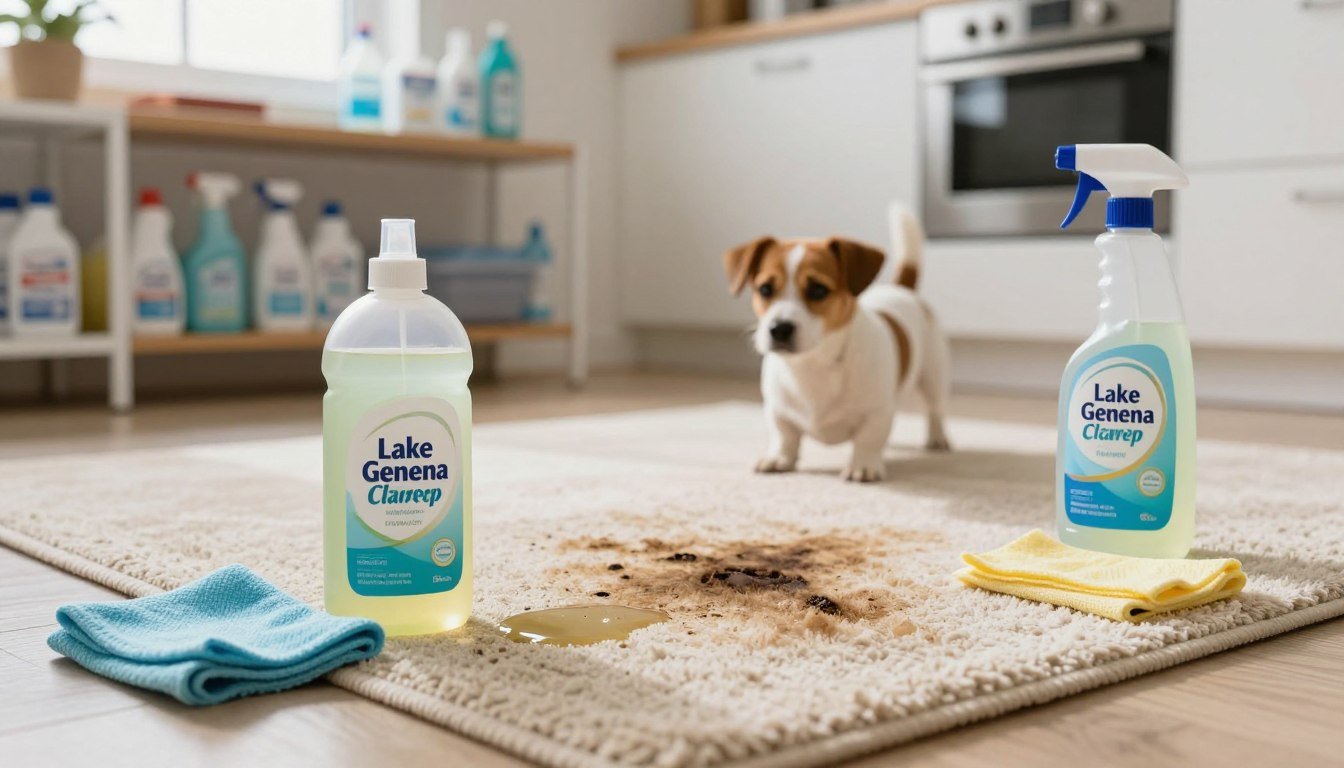
Dealing with accidents from your pets can be tough for homeowners. We often turn to store-bought cleaners. But these products usually just hide the problem.
True cleanliness is more than just surface cleaning. It requires a deeper solution than simple scrubbing.
At Lake Geneva Carpet Cleaning, we know how upsetting these spots can be. Many face diy pet stain and odor removal pitfalls when trying to clean alone.
We’re here to help you get your home back to normal. Just call us at 262-581-6140 to book a professional cleaning.
The main problem is the heavy chemical residue left behind. This sticky film attracts more dirt, making the area look worse over time.
We use deep extraction methods to keep your home fresh and healthy. Our professional cleaning gives you peace of mind for your family.
Key Takeaways
- Store products often leave sticky residues.
- Household cleaners might not reach deep padding.
- Incorrect chemicals can damage carpet fibers permanently.
- Surface treatments only mask unpleasant scents temporarily.
- Professional equipment provides superior extraction results.
- Expert knowledge prevents common color fading issues.
Understanding Why Pet Stains and Odors Are So Difficult to Remove
Pet stains and odors are tough to get rid of because we don’t fully understand them. Pet urine, for example, has uric acid crystals that are very hard to remove.
To really tackle pet stains and odors, we need to know what makes them stick around.
The Complexity of Pet Urine Composition
Pet urine is more than just water; it’s a mix of urea, uric acid, and other organic compounds. When pets pee on surfaces, these parts can get deep into carpets and upholstery. This makes it hard to clean them up.
Why Surface Cleaning Isn’t Enough
Cleaning the surface might get rid of the stain, but it misses the real problem. Pet urine can soak into the carpet padding or even the subfloor. This leaves behind smells that are hard to get rid of. Deep cleaning methods are needed to reach these hidden spots.
The Time-Sensitive Nature of Pet Accidents
The sooner you clean up a pet accident, the better. Waiting too long lets the uric acid crystals form and stick to the surface. This makes them even harder to clean. Quick action is key for pet stain and odor removal.
Knowing these things helps pet owners tackle stains and odors more effectively. Using homemade pet stain remover recipes or professional products can really help.
The Most Common DIY Pet Stain Removal Mistakes We Encounter
DIY pet stain removal can be tricky. Many homeowners face common pitfalls. These mistakes can make the problem worse, causing more damage and bad smells.
Over-Wetting Your Carpet During Treatment
One big mistake is using too much water or cleaning solution. This can happen if you apply too much to the stain.
How Excess Moisture Spreads the Problem
Too much water can spread the stain. It can also push it deeper into the carpet and floor. This makes the stain bigger, needing more cleaning or a pro’s help.
The Risk of Mold and Mildew Growth
Too much moisture is perfect for mold and mildew. This harms the carpet and floor and can be bad for your health. It’s key to use the right amount of cleaner and dry the area well.
Aggressive Scrubbing That Damages Carpet Fibers
Another mistake is scrubbing too hard. This can hurt the carpet’s fibers. Even though it might seem like it’s working, it can ruin the carpet’s look and feel.
- Scrubbing can break or fray carpet fibers, leading to a worn appearance.
- It can also push the stain deeper into the carpet, making it harder to remove.
Waiting Too Long to Address the Stain
Waiting too long to clean a stain is a big mistake. The longer you wait, the harder it is to get rid of. Pet urine, in particular, can damage the carpet if not cleaned quickly.
“The key to successful pet stain removal is prompt action and the right cleaning techniques. Delaying treatment can lead to irreversible damage.”
Knowing these common mistakes can help pet owners do a better job of cleaning stains. This way, they can avoid more damage and bad smells.
Why Homemade Pet Stain Remover Solutions Often Fail
Many pet owners try homemade pet stain removers. But these solutions often don’t fully remove stains and odors. They aim to be cheap and easy, but sometimes make things worse.
The Vinegar and Baking Soda Combination Problem
Vinegar and baking soda are a common fix for pet stains. But, they have their limits. They can lift stains, but might not solve the root problem.
Why This Popular Method Doesn’t Neutralize Uric Acid
The vinegar and baking soda mix doesn’t tackle uric acid well. Uric acid crystals can stay even after the stain is gone, causing smells to come back. To really get rid of stains, you need to break down and neutralize these crystals.
Dish Soap Residue Issues
Dish soap can leave a sticky mess on carpets. This mess attracts dirt, making stains come back. Dish soap also can’t handle the uric acid in pet urine, making it a bad long-term fix.
- Dish soap can leave a sticky residue on carpets.
- This residue attracts dirt, causing the area to become dirty faster.
- Dish soap does not address the underlying uric acid issue.
The Hydrogen Peroxide Bleaching Risk
Hydrogen peroxide is often used in homemade stain removers. It can break down organic matter, but it also risks bleaching or changing carpet colors.
When Home Remedies Cause Permanent Discoloration
Hydrogen peroxide can permanently change colors on carpets, which is bad for colored or sensitive ones. It’s important to test any cleaning solution on a hidden spot first to avoid damage.
In summary, homemade pet stain removers might seem like a good idea, but they often don’t work well. Knowing their limits helps pet owners choose better ways to clean up stains and smells.
Why Do It Yourself Pet Stain and Odor Removers Fail: The Hidden Penetration Problem
Dealing with pet stains and odors can be tough. They often go deep into carpet and padding. Pet urine, in particular, can get deep into the carpet, padding, and even the subfloor. This makes it hard for DIY methods to get rid of the stain and smell.
How Pet Urine Soaks Through Carpet Into Padding
Pet urine easily goes through carpet and into the padding. It does this because it’s liquid and hits the carpet hard. Once in the padding, it spreads out and gets trapped, making it hard to clean from the surface.
Subfloor Contamination That DIY Methods Can’t Reach
In some cases, pet urine can reach the subfloor. This happens if there’s a lot of urine or if it’s not cleaned up quickly. The subfloor is hard to clean with DIY methods because they can’t get deep enough to neutralize the urine.
Why Surface Treatment Leaves Odors Intact
Surface treatments don’t solve the odor problem because they don’t go deep enough. They miss the source of the smell. Effective pet stain and odor removal products are made to go deeper and tackle the problem at its root.
The Wicking Effect That Brings Stains Back
Stains can come back even after they seem gone. This is called the “wicking effect.” It happens when urine deep in the carpet or padding moves back up to the surface. This can be very frustrating. Professional pet odor removal methods use special techniques and products to stop this from happening.
It’s important to understand the hidden penetration problem to fix pet stains and odors. Knowing that these issues go beyond the surface helps pet owners see why they need deep and thorough cleaning solutions.
The Science Behind Why DIY Pet Odor Removers Don’t Work
DIY pet odor removers often fail because they don’t fully understand the science behind pet smells. It’s not just about getting rid of the smell. It’s about knowing the chemical makeup of the odor and how to tackle it effectively.
Understanding Uric Acid Crystals and Their Persistence
Pet urine has uric acid crystals, which cause lasting smells. These crystals are very stable and hard to dissolve with water. This makes simple cleaning methods ineffective.
Why These Crystals Reactivate With Moisture
When uric acid crystals meet moisture, they can start to smell again. Just drying the area isn’t enough. The crystals need to be broken down and removed.
The pH Balance Required for Effective Neutralization
To remove pet odors, you need a specific pH balance. Most DIY solutions don’t get this right, leading to incomplete odor removal.
A good solution must break down uric acid crystals without harming the surface. This requires understanding the chemical properties of the cleaner and the surface it’s on.
How Enzymatic Action Actually Breaks Down Organic Matter
Enzymatic cleaners use enzymes to break down pet urine proteins, eliminating the smell. These enzymes split the proteins, making them odorless.
Why Most Homemade Solutions Lack Proper Enzymes
Most DIY solutions don’t have the right enzymes to tackle pet urine. Without these enzymes, the smell stays, and it can come back.
To really get rid of pet odors, use a cleaner with the right enzymes. Professional-grade enzymatic cleaners are a better choice for pet owners.
Temperature and Humidity Factors That Affect Treatment
Temperature and humidity greatly affect how well pet odor treatments work. High temperatures and humidity can make the smell worse by reactivating uric acid crystals.
Knowing how temperature and humidity impact odor removal is key. By controlling these factors, pet owners can increase their chances of removing the smell.
For the best pet stain remover for carpets, understanding these scientific principles is crucial. This way, pet owners can make their DIY efforts more effective or know when to get professional help.
Common Mistakes in DIY Pet Odor Removers That Cause Recurring Smells
Many DIY pet odor removers make mistakes that cause smells to come back. These errors can be frustrating. But knowing them is the first step to getting rid of odors for good.
Masking Scents That Only Cover Up the Problem
One big mistake is using scents that just hide the smell, not get rid of it. Masking agents might give temporary relief but don’t solve the smell’s root cause. It’s like putting a band-aid on a deeper wound.
Instead, use a pet urine odor neutralizer that breaks down the smell-causing molecules. This approach is key to lasting results.
Incomplete Treatment of the Full Contaminated Area
Another mistake is not treating the whole area affected by pet accidents. The accidents can go deeper than the stain, affecting carpet padding and even subfloors.
Missing the Odor Perimeter Beyond Visible Stains
The stain is just the start. Pet urine can spread beyond what you see, contaminating a wider area. Not treating this broader area can keep odors around.
To really get rid of pet odors, treat the whole contaminated area. This might mean using special equipment or techniques to find and clean hidden areas.
Using Products Without True Pet Urine Odor Neutralizer Properties
Not all cleaning products are the same, and not all are good at getting rid of pet urine smells. Some products might claim to eliminate odors but don’t have the right ingredients or action to do so.
Here’s a comparison to show the difference between good and bad products:
| Product Type | Key Ingredients | Effectiveness |
|---|---|---|
| Masking Sprays | Fragrances, masking agents | Temporary relief, may not eliminate odor |
| Enzymatic Cleaners | Enzymes that break down organic matter | Effective at eliminating odor-causing molecules |
| Pet Urine Odor Neutralizers | Specialized enzymes, neutralizing agents | Highly effective at neutralizing pet urine odors |

By avoiding these mistakes and using the right products and methods, pet owners can better remove pet odors and stop them from coming back.
Why Store-Bought Products Also Disappoint Homeowners
Many people look for the best pet stain remover for carpets in stores. But, these products often don’t work well. They claim to remove pet stains and odors, but they don’t always succeed.
There are several reasons why these products don’t meet expectations. Let’s look at the main issues:
Insufficient Concentration in Consumer-Grade Products
One big problem with store-bought pet stain removers is their weak concentration. Professional products have stronger ingredients to tackle stains and odors. But, the products for home use are often too weak.
A carpet cleaning expert says, “The power of a pet stain remover comes from its active ingredients.”
“Enzymes are the key to removing stains. They break down stains into parts that can be washed away.”
Lack of Professional Application Equipment
Another issue is the lack of special equipment for home use. Pros use tools like hot water extractors and UV light detectors for deep cleaning. Homeowners usually just use manual methods, which aren’t as good.
Here’s a comparison of professional and home equipment:
| Feature | Professional Equipment | Store-Bought Products |
|---|---|---|
| Cleaning Method | Hot Water Extraction | Manual Application |
| Stain Detection | UV Light Detection | Visual Inspection |
| Effectiveness | High | Variable |
The Best Pet Stain Remover for Carpets Requires More Than Retail Solutions
Getting the best pet stain remover for carpets is more than just buying a product. It involves diagnosing the stain, choosing the right cleaner, and using the right tools. For many, this means getting professional help.
Professional carpet cleaners have the skills, tools, and products to remove pet stains and odors well. They can figure out the stain type, pick the best cleaning method, and use the most effective treatments.
It’s clear that store-bought products often can’t remove pet stains and odors well. By understanding their limitations and knowing when to get professional help, homeowners can get better results. This leads to a cleaner, healthier home.
The Repeat Marking Cycle: When Incomplete Removal Backfires
When pet stains and odors aren’t fully removed, pets may keep marking the same spot. This is because they can smell the leftover scents. These scents are like signals to them, telling them to mark again.
How Pets Detect Residual Odors Humans Can’t Smell
Pets have a much better sense of smell than humans do. They can pick up on scents that we can’t smell. These scents can stay in carpets and padding, even after we think we’ve cleaned them well.
Key factors influencing pet odor detection include:
- The concentration of odor-causing molecules
- The type of surface contaminated
- The effectiveness of the cleaning method used
Why Incomplete Cleaning Encourages Pets to Re-Mark Territory
When pets smell old scents, they want to mark the area again. This is their way of saying, “This is mine!”
The Behavioral Consequences of Failed DIY Attempts
Trying to clean pet stains and odors without success can really mess things up. Pets might keep marking the same spots because they smell the old scents. This creates a cycle that’s hard to stop.
| Consequence | Description |
|---|---|
| Repeated Marking | Pets continue to mark areas with residual odors |
| Increased Frustration | Homeowners become frustrated with recurring stains and odors |
| Potential Health Risks | Lingering bacteria and odors can pose health risks to pets and humans |
It’s important to understand why pets keep marking the same spots. Knowing that DIY cleaning might not be enough is a big step. It helps us move towards fixing the problem for good.
What Actually Works: Effective Pet Stain and Odor Removal Products and Methods
To remove pet stains and odors, you need the right techniques and products. It’s important to clean both the stain and the smell. This keeps your home clean and healthy.
Professional-Grade Enzymatic Cleaners and Their Advantages
Enzymatic cleaners are made to break down pet urine and other organic matter. They have enzymes that digest the material, removing the smell and stain.
Key benefits of professional-grade enzymatic cleaners include:
- Deep penetration into carpet and padding to reach the source of the stain and odor
- Effective breakdown of uric acid crystals and other organic compounds
- Elimination of odors at the source, rather than just masking them
UV Light Detection to Find All Contaminated Areas
UV light detection helps find hidden pet stains and odors. It shows areas that are not visible to the eye.
How We Locate Hidden Stains You Can’t See
We use UV light to find uric acid crystals and other substances from pet urine. This lets us clean the affected areas thoroughly.

Hot Water Extraction vs Surface Cleaning
Hot water extraction is better than surface cleaning for pet stains and odors. It injects hot water and a solution into the carpet, then extracts it, taking dirt and contaminants with it.
| Method | Effectiveness | Depth of Cleaning |
|---|---|---|
| Surface Cleaning | Limited | Surface only |
| Hot Water Extraction | High | Deep into carpet and padding |
Specialized Pet Stain and Odor Removal Tips From the Pros
Our experience shows that the right products, techniques, and equipment are key. Here are some tips:
- Act quickly when dealing with pet accidents to prevent the stain and odor from setting in.
- Use professional-grade products that are designed for pet stain and odor removal.
- Consider using a UV light to detect hidden stains and ensure a thorough cleaning.
When to Call Lake Geneva Carpet Cleaning for Professional Pet Odor Removal Methods
Persistent pet odors can be more than just a nuisance; they can indicate a deeper issue that requires professional attention. When your home still smells like pet accidents despite your best cleaning efforts, it’s time to consider calling in the experts.
Signs Your DIY Efforts Aren’t Working
If you’ve tried various DIY methods to remove pet stains and odors but still face issues, it’s likely time to seek professional help. Here are some signs that indicate the need for professional intervention:
Persistent Odors After Multiple Treatments
If you’ve treated the affected area multiple times and the odor persists, it may be a sign that the contamination is deeper than you can reach with DIY methods.
Recurring Stains in the Same Location
When stains keep coming back in the same spot, it indicates that the underlying cause hasn’t been fully addressed.
Pets Returning to Previously Treated Areas
If your pets continue to be attracted to the same areas, it’s likely because they can still smell the residual odors that your DIY efforts haven’t eliminated.
Our Professional Carpet Cleaning Process for Pet Issues
At Lake Geneva Carpet Cleaning, we understand the complexity of pet stain and odor removal. Our professional process is designed to tackle even the toughest cases.
Advanced Extraction Equipment That Reaches Deep Contamination
We use state-of-the-art equipment to extract dirt and contaminants from deep within your carpet and padding, ensuring a thorough clean.
Professional Strength Enzymatic Treatments
Our enzymatic treatments are specially designed to break down the proteins in pet urine, effectively eliminating the source of the odor.
Subfloor Treatment When Necessary
In severe cases, we don’t just stop at the carpet. We treat the subfloor if necessary to ensure that the odor is completely removed.
Why Lake Geneva Residents Trust Our Carpet Cleaner Services
Our experience and commitment to results have earned us the trust of Lake Geneva residents. Here’s why:
Our Experience With Severe Pet Damage
We’ve dealt with numerous cases of severe pet damage and have the expertise to handle even the most challenging situations.
Guaranteed Odor Removal Results
We stand behind our work with a guarantee. If the odor persists after our treatment, we’ll work with you until it’s completely gone.
Contact Us at 262-581-6140 for a Free Assessment
Don’t let pet odors take over your home. Contact Lake Geneva Carpet Cleaning today at 262-581-6140 for a free assessment and let us help you restore your home to its original freshness.
Prevention Strategies to Reduce Future Pet Stain Problems
To cut down on pet stains, it’s key to use prevention strategies. Being proactive helps lower the chance of accidents and the need for frequent clean-ups.
Quick Response Protocols for New Accidents
Acting fast when your pet has an accident is important. Blot, don’t rub, the area with a clean cloth or paper towel. This helps soak up the liquid.
For new stains, mix equal parts white vinegar and water. It can neutralize odors and stop stains from setting in.
Having a pet stain remover ready is also smart. Choose one that matches your carpet type. For example, enzymatic cleaners work well on pet urine.
Carpet Protection Treatments We Recommend
Using carpet protection treatments can help prevent stains. These treatments create a barrier on the fibers. It makes cleaning spills and accidents easier before they damage the carpet.
| Treatment Type | Description | Benefits |
|---|---|---|
| Scotchgard | A topical treatment applied to carpet fibers | Repels liquids, making cleanup easier |
| Teflon-based treatments | Applied to carpet to create a protective layer | Reduces stain penetration and makes maintenance easier |
Pet Training Tips That Complement Professional Carpet Cleaning
While professional carpet cleaning is key for deep stains, training is vital for prevention. A regular routine for feeding, exercise, and potty breaks helps avoid accidents.
Positive reinforcement, like praising or rewarding your pet, can also help. For ongoing issues, a professional trainer or vet can offer specific advice.
Conclusion
Removing pet stains and odors can be tough. Many homeowners find DIY methods don’t work well. We’ve looked into why DIY pet stain removers often fail.
DIY methods can cause problems like over-wetting and aggressive scrubbing. They also can’t reach deep into carpets, padding, and subfloors. This is a big challenge for DIY cleaning.
At Lake Geneva Carpet Cleaning, we know how frustrating pet stains and odors can be. Our professional cleaners and tools do a better job than DIY methods. Choosing us can help you stop pet stains and odors for good.
If you’re tired of pet stains and odors, call us at 262-581-6140. We offer a free assessment to help you get a cleaner home.
Leave a Reply