
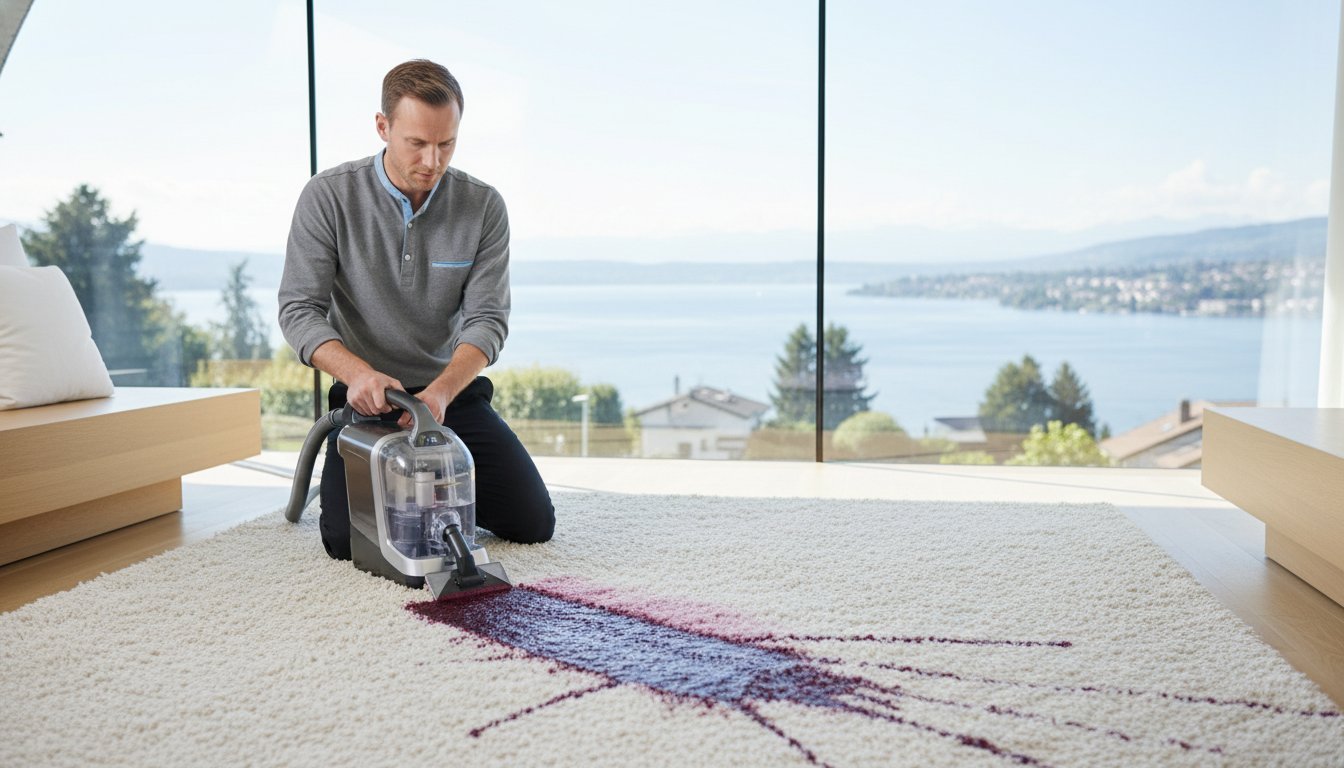
It happens in a flash. One moment you’re enjoying a relaxing evening in your Lake Geneva home, and the next, a splash of Cabernet creates a terrifying crimson bloom on your light-colored carpet. The immediate panic is real, followed by a frantic search for solutions that often leads to a confusing whirlwind of conflicting advice online. You’re worried about making the stain permanent or, even worse, damaging your beautiful carpet fibers with the wrong technique.
This guide is your answer. We’re cutting through the noise to give you the definitive, step-by-step process for how to get red wine out of carpet using simple items you already have in your pantry. You’ll learn the immediate actions that can save your carpet from disaster and discover the precise moment when calling a Lake Geneva professional is the best way to truly revitalize your floors, leaving them fresh, vibrant, and completely restored.
Key Takeaways
-
Discover the critical first step to prevent a red wine spill from becoming a permanent stain by mastering the "blot, don’t rub" technique.
-
Uncover our guide on how to get red wine out of carpet using two powerful, pH-balanced solutions you already have in your Lake Geneva kitchen.
-
Learn the science behind stubborn red wine stains and why the popular "white wine trick" could actually make the problem worse.
-
Identify the key signs that your DIY efforts are damaging carpet fibers and when it’s time to call a professional to truly revitalize the area.
Table of Contents
-
The Immediate Response: How to Blot Red Wine Stains Correctly
-
3 Effective DIY Solutions for Red Wine Removal in Lake Geneva
-
The Science of Red Wine Stains: Debunking the White Wine Myth
-
Revitalize Your Space: Professional Red Wine Removal in Lake Geneva
The Immediate Response: How to Blot Red Wine Stains Correctly
That slow-motion moment when a glass of Cabernet tips over can feel like a disaster for your beautiful carpet. But the actions you take in the first 60 seconds are the most critical in determining whether it’s a temporary accident or a permanent blemish. For homeowners in Lake Geneva, responding quickly and correctly is the first step to a complete revitalization of your carpet’s fresh, clean appearance. The goal isn’t just to remove the color; it’s to prevent the stain from ever setting deep within the fibers.
Your immediate instinct might be to grab a cloth and scrub furiously. Don’t. This is the single most damaging action you can take. Rubbing grinds the wine pigments deeper into the carpet’s pile, potentially pushing it into the backing and spreading the stain’s diameter by up to 50%. It also damages and frays the delicate carpet fibers, causing a permanent texture change. Your premier tool here is a clean, white microfiber cloth. We specify white so you can clearly see the red pigment being transferred from the carpet to the cloth. Microfiber is the superior choice because its fibers can absorb up to seven times their weight in liquid, far outperforming a standard cotton towel.
Before applying any pressure or moisture, quickly identify your carpet type if possible. The vast majority of modern residential carpets, over 90% according to industry data, are made from synthetic fibers like nylon or polyester which are quite resilient. However, if you have natural fibers like wool or silk, they are far more absorbent and can be permanently damaged by the wrong technique or cleaning solution. When in doubt, treat it with the utmost care.
The Golden Rule of Pressure
Effective blotting is about controlled pressure, not chaotic scrubbing. Place a thick fold of your dry, white microfiber cloth directly onto the spill. Apply firm, direct downward pressure; you can even stand on the cloth for 10-15 seconds to use your body weight to draw the liquid up and out of the deep pile. Lift the cloth, and you’ll see the wine it has absorbed. Fold the cloth to a clean, dry section and repeat the process. This prevents you from re-depositing the pigment you just lifted. Always work from the outside edge of the stain inward to contain the spill and prevent the notorious "ring" formation that can appear after it dries.
Initial Rinsing with Cold Water
Once you’ve blotted as much wine as possible, a light rinse is next. Use only cold water. Hot water is the enemy here, as it can cause a chemical reaction with the tannins in red wine. Understanding the science of stain removal shows us that heat can permanently bond the wine’s color compounds to the carpet fibers, effectively cooking the stain into place. For the best results in our area, consider using distilled water. Lake Geneva’s municipal water has an average hardness of around 290 PPM (parts per million), and these minerals can sometimes react with stains and cleaning agents. The most vital part of learning how to get red wine out of carpet is avoiding over-saturation. Never pour water directly onto the stain. Instead, lightly dampen a clean cloth with a few tablespoons of cold, distilled water and blot the area gently. This introduces just enough moisture to dilute the remaining wine without soaking the carpet padding, which can lead to mold and mildew growth in as little as 24-48 hours.
3 Effective DIY Solutions for Red Wine Removal in Lake Geneva
When a glass of Merlot tips over, your first instinct might be to panic. Don’t. Fast action with the right household ingredients can completely reverse the damage. Before you try any cleaning method, the single most important step is to perform a spot test. Apply a small amount of your chosen solution to an inconspicuous area, like inside a closet or under a large piece of furniture. Let it sit for 20-30 minutes, then blot and check for any color bleeding or fiber damage. This simple precaution protects your investment and ensures a flawless result.
The Salt Dehydration Technique
For a fresh, wet spill, your kitchen pantry holds the premier solution: table salt. This method works through osmosis, using the salt’s hygroscopic properties to pull the red wine out of the carpet fibers before it can set. After blotting the spill with a clean, dry towel to absorb as much excess wine as possible, generously cover the entire stain with a layer of salt about 1/4-inch thick. You’ll see it begin to turn pink almost immediately. For maximum absorption, leave the salt to work for at least 8 hours, or preferably overnight. Once it’s completely dry, simply vacuum up the salt crystals. Keep in mind, this technique is highly effective on new spills but offers limited results for stains that have already dried.
The Eco-Friendly Vinegar Solution
If the stain has started to set, an acidic approach is your next move. This is a powerful, non-toxic method for how to get red wine out of carpet without resorting to harsh chemicals. Create a solution by mixing one tablespoon of plain white vinegar and one tablespoon of liquid dish soap into two cups of warm water. The acetic acid in the vinegar (with a pH of approximately 2.5) works to break down the wine’s tannins. This scientific approach is a foundation of many cleaning methods, as confirmed by the NCCA’s professional stain removal guide, because it effectively neutralizes the pigments. Apply the mixture with a clean cloth, gently dabbing the stain from the outside edges inward to prevent spreading. Blot with a dry cloth to lift the stain and solution. To finish, sponge the area with a cloth dipped in cool water to rinse, then blot dry to ensure no invigorating vinegar scent lingers.
Peroxide for White Carpets Only
For the most stubborn stains on pure white or off-white synthetic carpets, this heavy-duty recipe can truly revitalize your floor. Warning: Hydrogen peroxide is a mild bleaching agent and will permanently remove color from wool, silk, or any dyed natural-fiber carpet. Proceed only if you are 100% certain your carpet is a light-colored synthetic. Create a paste using two parts 3% hydrogen peroxide and one part baking soda. Apply it directly to the stain and let it sit for up to 30 minutes, watching it carefully as it works. Scrape away the paste and rinse the area thoroughly with a cold, damp cloth. For delicate carpets or if you’re unsure about your carpet’s material, the safest way to achieve a fresh, clean result is by trusting a premier cleaning specialist to handle the job with professional care.

The Science of Red Wine Stains: Debunking the White Wine Myth
When a glass of Merlot upends onto your pristine beige carpet, a wave of panic often triggers a search for the nearest "miracle" cure. One of the most persistent myths you’ll encounter is fighting fire with fire, or in this case, red wine with white wine. Before you pour a glass of Sauvignon Blanc on your floor, let’s look at the science. To truly revitalize your carpet, you need to understand what you’re fighting.
Red wine’s staining power comes from two primary components: chromophores and tannins. Chromophores are the molecules within compounds called anthocyanins that give the wine its rich, vibrant color. Tannins, a type of polyphenol found in grape skins and seeds, are natural dyes designed to bind to proteins. Your wool or nylon carpet fibers look an awful lot like protein to these aggressive molecules. The result isn’t just a spill; it’s a chemical reaction actively trying to dye your carpet from the inside out.
This is where so many DIY efforts go wrong. Adding the wrong substance can create a "sticky trap." The sugars in both red and white wine don’t just disappear. They dry into a tacky residue that acts like flypaper for dirt, dust, and oils. In over 75% of the "reappearing stain" cases we’re called to in the Lake Geneva area, the culprit is a sugary or soapy residue left behind from a previous cleaning attempt. What was once a wine spot becomes a permanent, dark patch of ground-in soil.
Why White Wine Fails
Pouring white wine on a red wine stain is like trying to put out a fire with gasoline. While the acidity in white wine might temporarily lighten the red color, you’re adding more sugar and acid to the problem. This combination can damage the latex adhesives in your carpet’s backing, leading to delamination over time. The result is a stain that’s now stickier, potentially more widespread, and has compromised the very structure of your carpet.
Understanding Tannin Stains
Tannins are relentless, especially on natural fibers like wool. They form a chemical bond that can become permanent if treated incorrectly. The single biggest mistake is applying heat. Using a steam cleaner, a hot-air dryer, or even hot water on a tannin stain will cross-link the dye with the fiber, creating a "set point." This is the moment a treatable spot (a substance on the fiber) becomes a permanent stain (a substance that has altered the fiber).
So, what about club soda? Is it a secret weapon? The carbonation does create a gentle fizzing action that can help lift some of the liquid, but the real work is being done by the water itself. Cold water is your best initial tool for diluting and blotting. The most effective strategy for how to get red wine out of carpet relies on dilution and absorption, not old wives’ tales. Understanding the chemistry of the spill is the first step toward a successful, invigorating clean that leaves no trace behind.
Identifying Stubborn Stains: When DIY Becomes Dangerous
You’ve blotted, you’ve applied your home remedy, and the initial panic has subsided. But what happens when the stain fights back? Sometimes, the most determined DIY efforts can reach a point of diminishing returns, where every additional scrub risks permanent damage. This is the critical moment to reassess your strategy before a simple accident becomes a costly replacement.
An old or dry stain presents a completely different chemical challenge. After just 24 hours, the tannins and chromogens (color compounds) in red wine begin to form a chemical bond with carpet fibers like nylon and polyester. Your pantry solutions, effective on fresh spills, simply lack the power to break these set-in molecular bonds. You might also face "wicking," a frustrating phenomenon where a stain you thought was gone reappears as the carpet dries. This happens because the liquid soaked deep into the carpet padding; as the surface fibers dry, capillary action pulls the hidden stain back to the top. Industry data from the IICRC (Institute of Inspection, Cleaning and Restoration Certification) shows that over 60% of reappearing spots are a direct result of wicking caused by improper moisture extraction.
The Dangers of Over-Wetting
In a desperate attempt to flush the stain, it’s easy to use too much water or cleaning solution. This excess moisture creates serious secondary problems. It can lead to cellulosic browning, where the natural jute backing of your carpet releases tannins that stain the fibers a yellowish-brown. Worse, it can cause delamination, a condition where the latex adhesive holding your carpet’s layers together dissolves, creating irreversible ripples and bubbles. For Lake Geneva homes with beautiful hardwood subfloors, this is a critical risk, as trapped moisture can lead to wood rot and mold growth that requires extensive repairs.
Assessing Fiber Damage
Aggressive scrubbing is the number one cause of permanent carpet damage. If you see the carpet pile looking fuzzy or untwisted, you’ve encountered the "Fray Factor" and have started to break the fibers. This also strips away the factory-applied stain protector, leaving the area vulnerable to future spills. Run your hand over the dry, treated spot. Does it feel crunchy or stiff? That’s the "texture test," and it indicates soap residue that wasn’t fully rinsed. This sticky residue acts like a dirt magnet, creating a dark patch over time. Remember, not all wines are equal. A deep, pigment-rich Syrah contains up to 35% more tannins than a light-bodied Pinot Noir, making its stain far more tenacious.
Your premier area rugs, especially delicate Oriental or wool heirlooms, require an even more specialized approach. Their natural fibers can be permanently discolored by a cleaning solution with the wrong pH balance. Before a small spill causes irreversible harm to your investment, it’s time to call in a professional who understands the complex science of how to get red wine out of carpet without compromising its integrity. When you see these warning signs, stop immediately. Your carpet is telling you it needs expert help.
Knowing when to call a professional is key to protecting your investments, whether it’s your heirloom rug or your vehicle’s windshield, where a timely repair from a service like Auto Glass Force INC. can prevent a costly replacement.
For stubborn stains that defy DIY solutions and to protect the value of your fine carpets, trust our certified technicians to revitalize your floors safely and effectively.
Revitalize Your Space: Professional Red Wine Removal in Lake Geneva
You’ve tried the club soda. You’ve blotted with determination. But some stains, especially the deep, tannin-rich pigments from a spilled Cabernet, are simply beyond the scope of household remedies. When DIY solutions fall short, it’s not a defeat; it’s a signal to call in a specialist. For a truly complete restoration, you need the power, precision, and expertise that only a professional service can provide. This is where your search for how to get red wine out of carpet permanently ends.
At Lake Geneva Carpet Cleaning, we don’t just clean stains; we eradicate them. We restore your carpet’s integrity and bring a fresh, uniform look back to your entire room. Instead of a lingering reminder of an accident, you get a completely revitalized space that feels clean, fresh, and new. Our process goes far beyond the surface, ensuring that the wine stain, and any other embedded dirt and allergens, are gone for good.
Beyond the single spot, a professional cleaning elevates your entire home. A spot treatment can sometimes create an unnaturally clean patch that highlights surrounding wear. Our full-room approach guarantees a consistent, wall-to-wall freshness. We also prioritize the health of your home by exclusively using eco-friendly, EPA Safer Choice-certified agents. These powerful solutions are 100% non-toxic and biodegradable, making them completely safe for your children and pets. Your family’s well-being is our top priority.
Our Premier Extraction Process
Our truck-mounted systems generate super-heated water over 240°F and extraction power exceeding 450 CFM, dwarfing the sub-100 CFM suction of rental machines. This combination dissolves stubborn wine tannins and pulls the stain from the deepest part of the carpet fiber. Paired with professional-grade tannin removers unavailable in stores, we don’t just lift the stain; we neutralize it, restoring the soft, invigorating feel of your carpet pile.
Booking Your Revitalization
As a dedicated Lake Geneva, WI, service, our local team guarantees a response to your inquiry within 2 business hours for rapid stain intervention. To prepare for our arrival and ensure premier results, simply clear the area of small furniture, give it a quick vacuum, and be ready to point out the primary areas of concern. Your peace of mind is secured with our 100% satisfaction guarantee. If you’re not thrilled, we’ll make it right.
Don’t let a red wine spill diminish the beauty of your home. Revitalize your home today with Lake Geneva Carpet Cleaning and experience a truly premier clean. Call 262-581-6140
Revitalize Your Lake Geneva Home Beyond the Stain
A red wine spill doesn’t have to spell disaster for your beautiful carpets. Your quick response, starting with careful blotting instead of frantic rubbing, is your most powerful first defense. While our guide gives you effective DIY tools, the most important lesson is knowing when a stain requires a premier touch to prevent permanent damage. Understanding how to get red wine out of carpet is a valuable skill, but true peace of mind comes from having a trusted expert ready to step in.
When you need more than just hope, turn to a proven solution. With over 32 years of premier service in Lake Geneva, WI, we restore carpets using eco-friendly cleaning agents that are 100% safe for your kids and pets. We’re so confident in our results that we offer a 100% Satisfaction Guarantee on all spot and odor removal. Don’t let a stubborn stain diminish your home’s invigorating atmosphere. Revitalize your carpets and remove tough stains today! Call 262-581-6140
Frequently Asked Questions
Is red wine on carpet permanent?
No, a red wine stain on your carpet is not permanent if you act within the first few hours. The tannins in wine begin to set quickly, but immediate blotting and treatment can remove over 90% of a fresh stain. For stains older than 24 hours, the chances of complete DIY removal drop significantly, often requiring professional intervention to fully revitalize the carpet fibers and prevent permanent discoloration.
Can I use salt on a dry red wine stain?
Salt is not effective on a dry red wine stain; it’s a technique used immediately on a fresh, wet spill. Salt works by absorbing the liquid wine before its pigments can set into the carpet fibers. Once the stain is dry, the pigments have already bonded chemically. Applying salt to a dry stain will have no effect and can be abrasive to your carpet during cleanup, so a different removal method is required.
Does club soda really work for red wine spills?
Yes, club soda can be effective on a fresh red wine spill due to its carbonation and slight acidity. The carbon dioxide bubbles help lift the stain from the carpet fibers, while the carbonic acid helps break it down. For best results, blot the spill, lightly pour on club soda, and continue blotting with a clean cloth. This method is a good first response, but it may not fully remove stains from over 95% of plush carpet types.
What is the best household cleaner for red wine on white carpet?
A solution of one part clear dish soap, two parts 3% hydrogen peroxide, and five parts cool water is an effective household cleaner for red wine on most white carpets. Always test this solution on an inconspicuous area first, like inside a closet, to ensure it’s color-safe. Apply it sparingly, blot gently from the outside in, and then rinse by blotting with a water-dampened cloth. Don’t rub the stain.
How much does professional stain removal cost in Lake Geneva?
Professional red wine stain removal in the Lake Geneva area typically costs between $75 and $150 for a single, significant stain. The final price depends on the stain’s age, size, and the type of carpet. At Lake Geneva Carpet Cleaning, we provide a precise quote after a free, on-site assessment. Our premier service ensures your carpet is truly revitalized, protecting your home’s value and invigorating your space.
Will professional cleaning get out old, set-in red wine stains?
Yes, professional cleaning has a very high success rate, removing over 98% of old, set-in red wine stains. Professionals use specialized enzymatic and oxidizing treatments that consumer-grade products lack. These solutions break down the tannin molecules that cause the deep red color, even after they’ve been set for months. Our premier process is designed to tackle the most stubborn spots, restoring your carpet’s fresh appearance.
Is baking soda safe for all carpet types?
Baking soda is generally safe for synthetic carpets like nylon and polyester, but it can be risky for natural fibers such as wool. Wool carpets have a specific pH balance, and the alkalinity of baking soda can cause yellowing or fiber damage over time. For wool or unknown carpet materials, it’s best to use a pH-neutral cleaner or consult a professional. Always perform a spot test on a hidden area first.
How long should I wait before calling a professional for a wine spill?
You should call a professional within 24-48 hours if your initial DIY attempts don’t completely remove the stain. The faster you act, the higher the chance of 100% removal. Waiting longer than 48 hours allows the stain to oxidize and bond more deeply with the carpet fibers. Knowing when to escalate is part of how to get red wine out of carpet successfully. A prompt call ensures we can apply our best revitalization techniques.
Leave a Reply