
The True Cost of Biohazard Cleanup
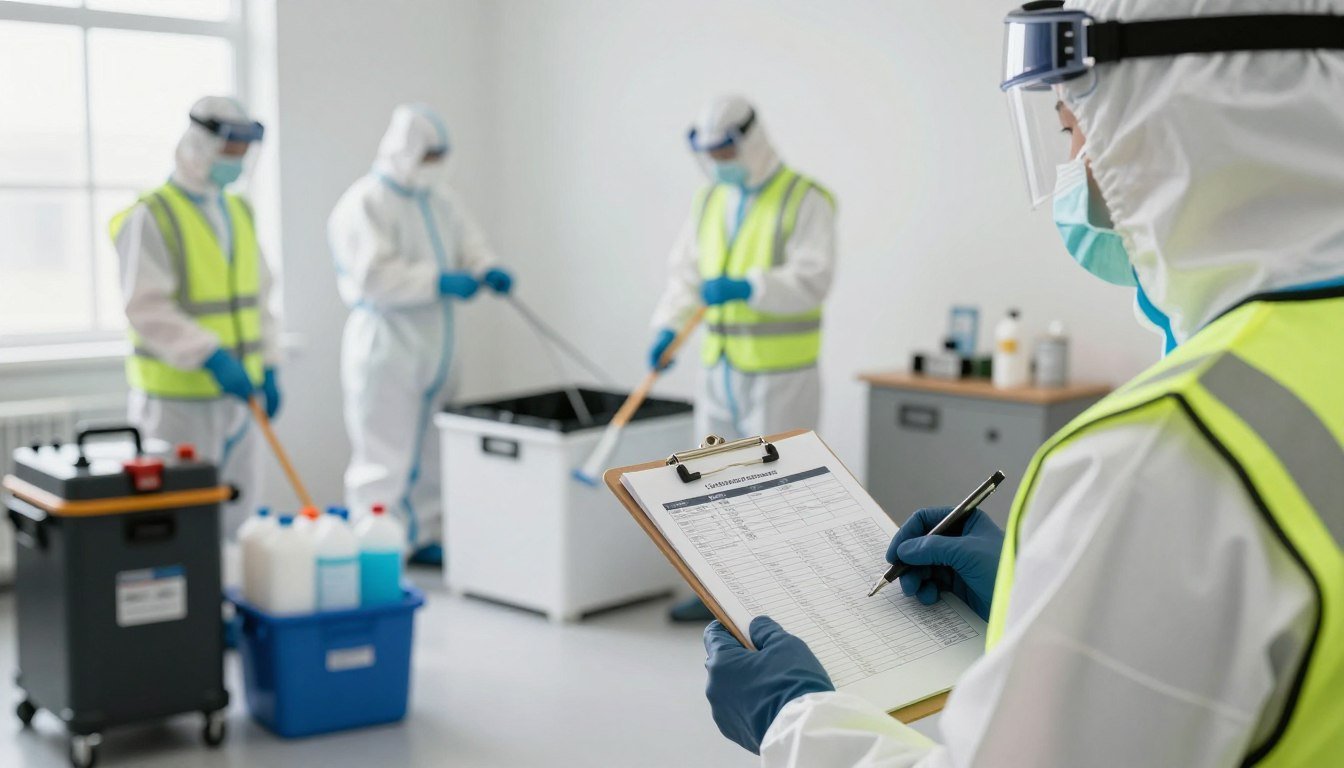
When it comes to biohazard cleanup, understanding the costs involved can feel overwhelming. But fear not! We’re here to break it down for you. From the various factors that influence pricing to how insurance can play a role in covering these expenses, we’ll guide you through every detail. Let’s dive into what you can expect in terms of costs and considerations when facing a biohazard situation. Your peace of mind is just a read away!
Dealing with a biohazard situation can be overwhelming and stressful. It might be due to a sewage backup, crime scene, or other hazardous events. At Lake Geneva Carpet Cleaning, we know how important safe and effective biohazard cleanup is. Our team is ready to handle these situations, but we also know the cost associated with the cleanup is a big concern.
The cost of biohazard cleanup can change a lot. It depends on how much damage there is and what kind of biohazard it is. Knowing these factors and how they affect the cost is key for planning and budgeting. Also, finding out if your insurance covers these costs can be a big help during tough times.
Key Takeaways
- The extent of the damage affects the overall cost.
- Type of biohazard influences the cleanup cost.
- Insurance coverage can help mitigate expenses.
- Professional cleanup is essential for safety.
- Several factors contribute to the final cost.
Understanding Biohazard Cleanup Services
Biohazard situations need quick action and expert cleanup. They can be anything from blood to dangerous chemicals. It’s key to know how serious these are for professional cleanup.
What Qualifies as a Biohazard Situation
A biohazard situation happens when harmful biological agents are present. This includes crime scenes, accidents, or areas with bodily fluids. These places need special cleaning to stop disease spread and keep everyone safe.
Common Biohazard Cleanup Scenarios
Scenarios include crime scene cleanup, hoarding, and disaster or accident areas. Each needs a specific cleanup plan. For example, crime scenes need careful cleaning of blood and fluids. Hoarding situations involve removing mold, bacteria, and other dangers.
Why Professional Cleanup is Necessary for Safety
Professional cleanup is vital because biohazards are very dangerous. Experts have the right training, tools, and experience. They make areas safe again, lowering disease risk and following health rules.
The average price for biohazard cleanup and biohazard cleaning service rates vary. But, the safety and thoroughness they offer are worth it.
Knowing the cost to clean up biohazard materials helps with planning and budgeting. Hiring pros ensures cleanup is done right, cutting down on future risks and costs.
Average Cost Of Biohazard Cleanup: Pricing, Factors & Insurance
Biohazard cleanup costs depend on many factors. It’s important to know the pricing models and how costs vary by region. When dealing with biohazard situations, understanding the costs is crucial.
Typical Price Ranges for Different Scenarios
The cost of biohazard cleanup varies a lot. For example, cleaning up after a crime scene or a hoarding situation can cost between $1,000 and $5,000 or more. This depends on how bad the situation is and how big the area is.
Similarly, cleaning up after sewage backup or industrial accidents has different costs. These costs depend on how contaminated the area is and what equipment is needed.
Average costs for common biohazard cleanup scenarios:
- Crime scene cleanup: $1,000 – $5,000
- Sewage backup cleanup: $2,000 – $10,000
- Hoarding situation cleanup: $1,500 – $6,000
- Industrial accident cleanup: $3,000 – $15,000
Understanding Pricing Models: Hourly vs. Flat Rate
Services for biohazard cleanup can charge by the hour or a flat rate. The pricing model affects the total cost. Hourly rates can be between $50 and $150 per hour, based on the service and task complexity. Flat rates offer a one-time cost for the job, but might not be available for all situations.
Factors influencing the choice between hourly and flat rate pricing include:
- The extent and complexity of the biohazard
- The size of the area to be cleaned
- The equipment and resources required
Regional Cost Variations Across the United States
The cost of biohazard cleanup varies across the United States. Urban areas tend to cost more due to higher demand and operational costs. Rural areas might cost less but could face challenges like accessibility.
Regional variations to consider:
| Region | Average Cost Range |
|---|---|
| Northeast | $2,000 – $8,000 |
| South | $1,500 – $6,000 |
| West Coast | $3,000 – $10,000 |
Key Factors That Influence Biohazard Cleanup Costs
Knowing what affects biohazard cleanup costs is key for property owners. At Lake Geneva Carpet Cleaning, we’ve seen how different things can change the cost of cleanup services.
Assessing the Size and Scope of Contamination
The size of the contamination area is a big factor in cost. Larger areas need more time, equipment, and resources. This makes the cleanup more expensive. Our team carefully checks the situation to give a precise estimate.
How Different Biohazardous Materials Affect Pricing
Various biohazardous materials, like blood or chemicals, need special handling and disposal. The type of biohazard affects the price because of the risk level and equipment needed for safe cleanup.
Location Accessibility and Its Impact on Cost
How easy it is to get to the contaminated area also matters. Hard-to-reach areas might need extra equipment or more workers, raising the cost. Our experts are ready to tackle these challenges.
Specialized Equipment Requirements and Their Costs
Cleaning up biohazards often requires special gear, like protective suits and decontamination tools. The cost of this equipment and the skill to use it are part of the total service cost.
Understanding these factors helps property owners guess the cleanup costs better. At Lake Geneva Carpet Cleaning, we aim to offer clear, professional services to guide you through tough situations.
How to Get an Accurate Cost Estimate
To avoid unexpected expenses, it’s key to know how to get a precise cost estimate for biohazard cleanup. Biohazard situations need quick action. Knowing the costs helps you financially prepare.
Questions to Ask When Requesting a Quote
When asking for a biohazard cleanup quote, it’s important to ask the right questions. This ensures you get a full estimate. Key questions include:
- What is the scope of the cleanup service?
- Are there any extra fees for equipment or personnel?
- How will the cleanup team check the contamination level?
- What safety steps are taken during the cleanup?
These questions help you understand what to expect and compare different quotes.
Red Flags in Pricing and Estimates
When looking at estimates, watch out for red flags that might mean unfair prices or hidden costs. Some signs include:
- Prices that are much lower than others
- Not clear about what services are included
- Extra fees not mentioned upfront
Being careful about these signs helps you avoid surprise costs and choose a reliable service.
Understanding What Should Be Included in Your Estimate
A good biohazard cleanup estimate should detail the services, equipment, and team involved. It should explain the cleanup steps, like containment and decontamination, and how biohazardous materials are disposed of. Make sure your estimate covers everything to avoid extra charges.
Negotiating Fair Pricing for Services
Negotiating biohazard cleanup prices can be tough, but it’s doable. Here are some tips for fair pricing:
- Compare quotes from different providers to see the market rate
- Ask about any discounts or deals
- Make sure the estimate clearly outlines the work to avoid paying for extra services
Being informed and ready helps you get a fair price for the biohazard cleanup you need.
Navigating Insurance Coverage for Biohazard Cleanup
When you face a biohazard situation, getting insurance coverage right away is key. Biohazard incidents, like crime scenes or industrial accidents, can cost a lot to clean up. Knowing your insurance options helps manage these costs.
Types of Insurance Policies That Cover Biohazard Cleanup
Several insurance policies can help with biohazard cleanup costs. These include:
- Homeowners insurance
- Commercial property insurance
- Specialized biohazard insurance policies
Homeowners insurance often covers cleanup from incidents like crime scenes or accidents at home. Commercial property insurance does the same for businesses. Some companies have specialized biohazard insurance policies for full coverage.
Step-by-Step Guide to Filing an Insurance Claim
Filing a claim for biohazard cleanup has several steps:
- Notify your insurance provider right away
- Document the biohazard situation with photos and detailed notes
- Get a detailed estimate for the cleanup from a professional service
- Submit the claim with all needed documentation
Documentation Needed for Successful Claims
To have a successful claim, you need to provide detailed documentation. This includes:
| Documentation Type | Description |
|---|---|
| Photos and Videos | Visual evidence of the biohazard situation |
| Cleanup Estimates | Detailed cost breakdowns from professional cleanup services |
| Police or Incident Reports | Official reports documenting the incident |
Options When Insurance Coverage Is Insufficient
If your insurance doesn’t cover enough, consider these options:
- Financing plans from cleanup services
- Government assistance programs (if applicable)
- Non-profit organizations that offer financial aid for biohazard situations
Understanding your insurance and the claims process can lessen the financial stress of biohazard cleanup. Being prepared and knowing your options helps you handle these tough situations better.
How to Select a Reputable Biohazard Cleanup Service
Choosing a biohazard cleanup service requires careful thought. It’s important to pick a service that ensures safety and follows all rules. This is especially true when dealing with harmful materials.
Essential Certifications and Qualifications
A good biohazard cleanup service has the right certifications. Look for OSHA (Occupational Safety and Health Administration) and IICRC (Institute of Inspection, Cleaning and Restoration Certification) certifications. These show the service follows strict safety rules and best practices.
Evaluating Experience and Specialization
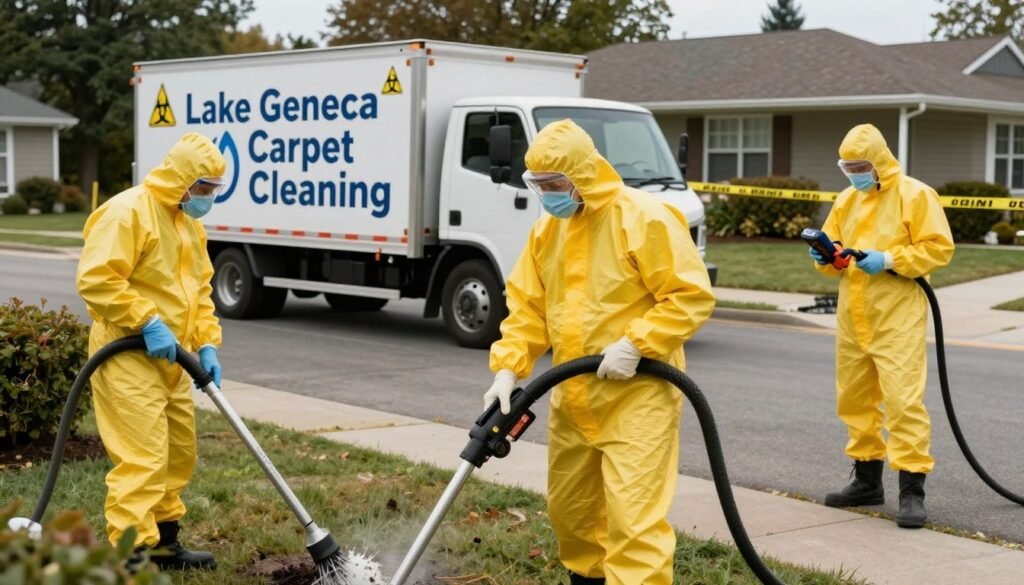
Experience and focus are key when picking a service. A company with a lot of experience can handle tough situations better. At Lake Geneva Carpet Cleaning, we have a lot of experience in biohazard cleanup.
Reading Reviews and Checking References
Reading reviews and checking references helps you know if a service is reliable. Good feedback from past clients shows a service’s quality and professionalism. We’re proud of our great customer reviews, showing our dedication to excellence.
Lake Geneva Carpet Cleaning: Our Approach to Biohazard Situations
At Lake Geneva Carpet Cleaning, we focus on safety, efficiency, and kindness. We know biohazard incidents are serious and aim to make areas safe and clean again. Our team is trained to handle these materials carefully, following all rules.
“The right cleanup service can make all the difference in the aftermath of a biohazard incident. It’s not just about cleaning; it’s about restoring safety and peace of mind.” –
By thinking about these points and picking a service like Lake Geneva Carpet Cleaning, you can be sure your biohazard cleanup needs are handled well.
What to Expect During the Biohazard Cleanup Process
Knowing what to expect during biohazard cleanup can reduce stress and help you make informed decisions. The process involves several critical steps to ensure safety and compliance with regulations.
Initial Assessment and Safety Protocols
The first step in biohazard cleanup is an initial assessment of the contaminated area. Professionals evaluate the extent of the contamination and identify potential hazards. They then implement safety protocols, including the use of personal protective equipment (PPE) and containment measures to prevent the spread of biohazardous materials.
Containment and Decontamination Procedures
Containment is crucial to prevent further contamination. Technicians use specialized equipment to isolate the affected area. Decontamination procedures involve thorough cleaning and disinfection using approved methods and materials. This step is essential to eliminate biohazards and restore a safe environment.
Disposal of Biohazardous Materials
Proper disposal of biohazardous materials is a critical component of the cleanup process. Professionals collect and dispose of contaminated items according to local, state, and federal regulations. This ensures that biohazardous waste is handled and disposed of safely.
Final Testing and Clearance Certification
After decontamination, the area undergoes final testing to verify that it is safe for occupancy. Clearance certification is issued upon successful completion of the testing. This step provides assurance that the area has been restored to a safe condition.
| Cleanup Stage | Description | Key Activities |
|---|---|---|
| Initial Assessment | Evaluation of contamination extent | Safety protocol implementation |
| Containment | Isolation of affected area | Use of specialized equipment |
| Decontamination | Thorough cleaning and disinfection | Use of approved methods and materials |
| Disposal | Proper disposal of biohazardous waste | Regulatory compliance |
| Final Testing | Verification of safety | Clearance certification |
Understanding the biohazard cleanup process helps you navigate the complexities of cost to clean up biohazard materials and associated factors. By knowing what to expect, you can better manage the cleanup process and ensure that it is done effectively and safely.
DIY vs. Professional Cleanup: Making the Right Choice
When you face a biohazard situation, you must decide if you’ll clean it up yourself or call professionals. This choice is important and depends on the type and size of the contamination.
When Minor Cleanups Can Be Handled Yourself
For small biohazard incidents, like small spills, you might clean it up yourself. But, make sure you have the right tools and know-how to do it safely.
- Assess the contamination level
- Gather appropriate personal protective equipment (PPE)
- Follow proper decontamination procedures
Health Risks and Legal Liabilities of DIY Approaches
Trying to clean up biohazards without the right training and gear can be very risky. You could get sick from harmful substances. Also, if you don’t clean it up right, you could face legal problems.
Key health risks include:
- Infection from bloodborne pathogens
- Exposure to chemical contaminants
- Potential for long-term health issues
Cost-Benefit Analysis of Professional Services
Hiring professionals for biohazard cleanup might cost more at first. But, they offer many benefits like thorough cleaning, following rules, and keeping you safe. We need to think about these advantages and the costs to decide what’s best.
A professional cleanup service can provide:
- Expertise in handling various biohazards
- Specialized equipment for safe and effective cleanup
- Compliance with local and federal regulations
Essential Safety Equipment for Emergency Situations
If you choose to clean up yourself, having the right safety gear is key. This includes gloves, masks, eye protection, and disposable coveralls. Knowing how to use this equipment is also very important for your safety.
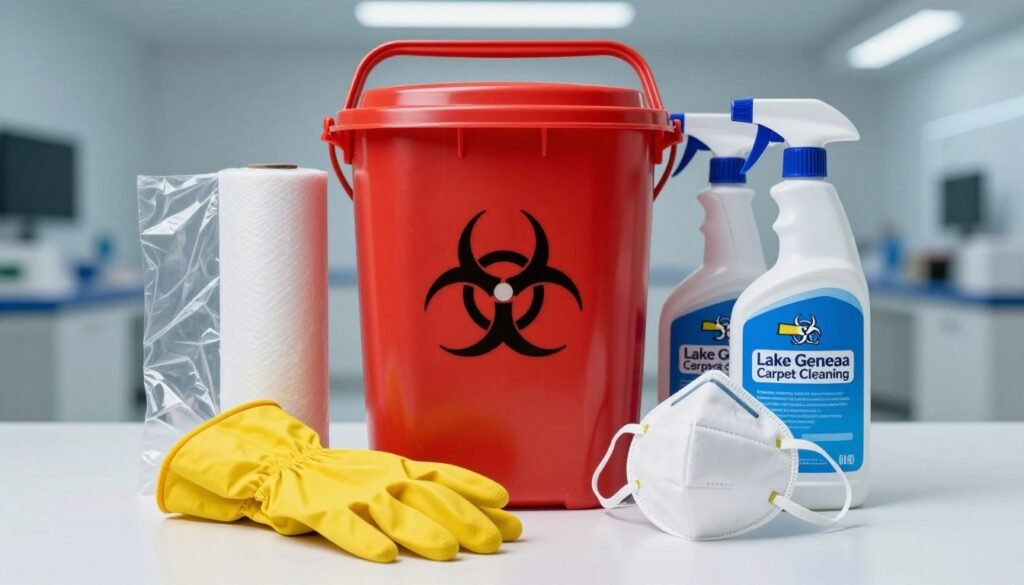
In conclusion, while DIY cleanup might work for small incidents, it’s usually safer and more reliable to hire professionals. They ensure a thorough cleanup and protect you from risks.
Conclusion: Taking Action During Biohazard Situations
Knowing the cost of biohazard cleanup is key when dealing with unexpected events. We’ve looked at what affects these costs, like the type of contamination and where it is. We also talked about how insurance can help cover these costs.
It’s vital to get professional help for biohazard situations. Companies like Lake Geneva Carpet Cleaning provide specialized services. They ensure your property is safe and restored properly. By picking the right service and knowing your insurance, you can handle these situations better.
Don’t wait until it’s too late. Be ready to act in biohazard situations. Know the costs and have a plan. This includes understanding your insurance and having reliable cleaning and restoration services.
Leave a Reply