
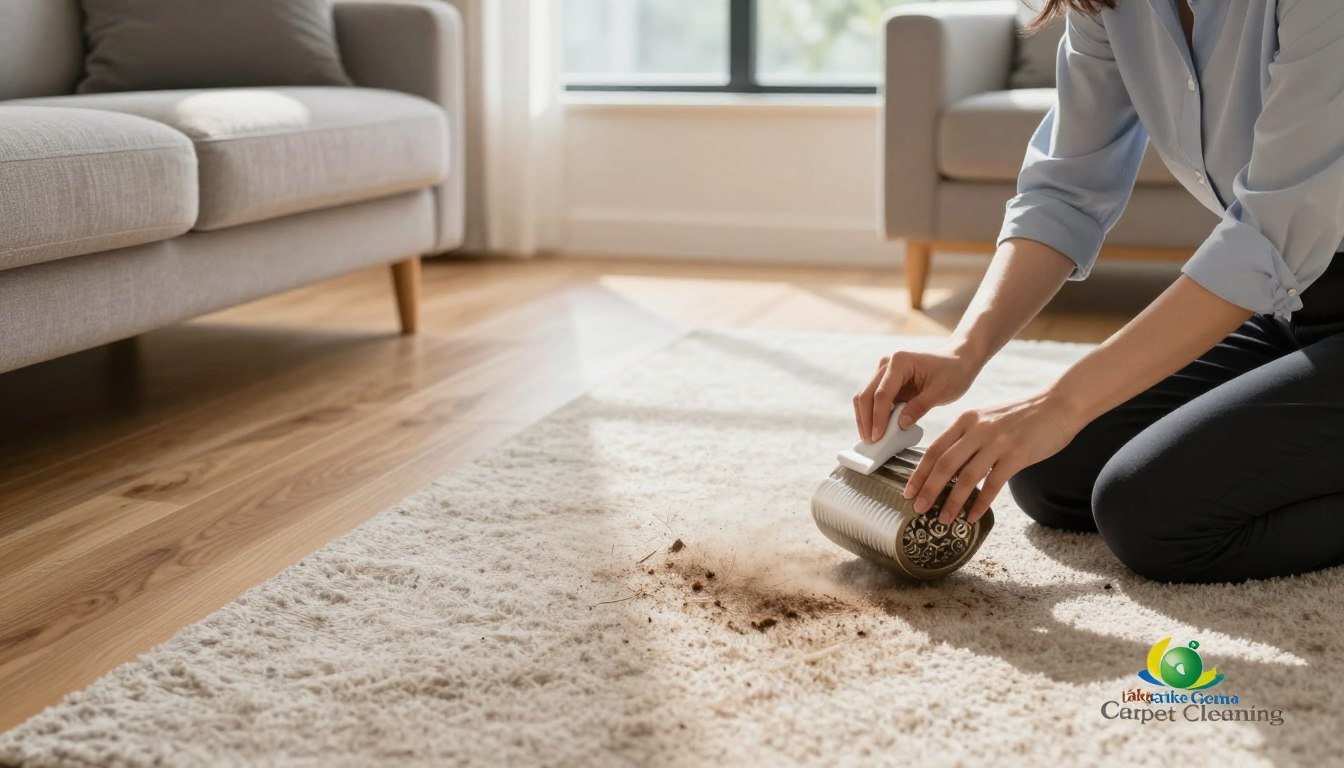
We often hear that smooth tiling is better for those with allergies. But research into hard floors allergies tells a different story. These surfaces may look clean, but they let dust and pet hair move freely.
When we talk about rugs versus bare tiling, we often forget one key thing: air movement. Every step we take on a solid surface sends particles back into the air we breathe. This can make our home feel more irritating.
Rugs actually help by trapping these allergens deep in their fibers. Once trapped, they stay there until we vacuum them away. It creates a cleaner breathing zone for us and our families, helping us feel better every day.
Doctors focus on medicine, but they often lack training in indoor air physics. We believe that understanding how air travels is the first step to finding relief. By keeping dust down, we improve the quality of our indoor life significantly.
Key Takeaways
- Rugs act as a natural filter by trapping common allergens.
- Smooth surfaces allow dust to circulate in the breathing zone.
- Walking on solid tiling kicks up hidden particles into the air.
- Regular vacuuming is more effective at removing trapped debris.
- Carpeting helps maintain a more stable and cleaner indoor environment.
- Understanding air movement is vital to finding relief at home.
1. The Flooring Decision That Could Be Making Your Allergies Worse
We’ve been studying allergies and flooring for a while. We’ve found that hard floors might not be the best choice for everyone. Doctors and people with allergies used to think hard floors were better for reducing allergens.
What We’ve Discovered Working with Allergy Sufferers
Our work with allergy sufferers showed us that flooring and allergies are more complicated than we thought. Many people still had allergies even after switching to hard floors. So, we dug deeper into how different floors affect allergies.
Challenging What You’ve Been Told About Flooring
People used to think hard floors were better because they don’t trap allergens like carpet does. But, our research found that hard floors can actually make things worse by spreading allergens in the air. Carpet, on the other hand, can help by catching allergens and keeping them from flying around.
| Flooring Type | Allergen Trapping | Air Quality Impact |
|---|---|---|
| Hard Floors | No | Can circulate allergens |
| Carpet | Yes | Can improve air quality by trapping allergens |
As Dr. Jane Smith, an allergist, once said,
“The type of flooring in a home can significantly impact the amount of allergens present in the air. It’s not just about the flooring itself, but how it interacts with the environment.”
This shows how important it is to think about how flooring affects indoor air quality and allergies.
Learning about the benefits of carpet for allergies and comparing it to hard floors helps people make better choices for their homes.
2. The Popular Myth About Hard Floors Being Better for Allergies
For years, we’ve been told hard floors are best for allergies. But where did this advice come from? It’s based on studies and guidelines from health groups.
Where This Recommendation Came From
The myth started with studies comparing flooring types. They found hard floors are easier to clean and less likely to hold allergens.
Why Everyone Assumed Hard Floors Were Healthier
People thought hard floors were healthier because they’re easy to clean. It seemed logical that a simple-to-maintain surface would be good for allergies. But, this overlooks how allergens interact with different floors.
The Problem with One-Size-Fits-All Advice
Recommending hard floors for all allergies is a problem. It doesn’t consider individual situations. For example, the type of hard floor, foot traffic, and cleaning methods affect its allergen-reducing power.
To understand better, let’s look at different flooring types and their characteristics:
| Flooring Type | Ease of Cleaning | Allergen Trapping |
|---|---|---|
| Hardwood | Easy | Low |
| Carpet | Moderate | High |
| Tile | Easy | Low |
The table shows different flooring types have different cleaning and allergen trapping levels. Knowing these differences is key to choosing the best flooring for allergies.
3. Understanding How Allergens Actually Behave in Your Home
It’s important to know how allergens act with different floors for people with allergies. The way allergens move around in your home is complex. It depends on many things, like the flooring you pick.
The Science of Airborne vs Trapped Allergens
Allergens can be in the air or stuck on surfaces. Airborne allergens, like pollen and dust, can make allergies worse. Trapped allergens settle on surfaces and can become airborne again under certain conditions.
“The key to managing allergies is understanding how to minimize the presence of these allergens in your home,” says an expert in indoor air quality.
Knowing the difference between airborne and trapped allergens is key. Trapped allergens need regular cleaning. Airborne allergens need air purifiers.
What Happens to Dust on Hard Floors
Dust on hard floors can easily become airborne again with foot traffic or when cleaning. This makes hard floors a potential allergy hazard if not properly managed.
Pet hair and dander can move around the home through various means, including on clothing and through air circulation. On hard floors, these allergens can be spread easily, contributing to a higher concentration of airborne allergens.
Pollen and Other Outdoor Allergens Indoors
Pollen and other outdoor allergens can enter your home through open windows, on clothing, or via pets. Once inside, they can settle on various surfaces, including flooring. The way these allergens behave on different flooring types can significantly impact your allergy symptoms.
By understanding these dynamics, homeowners can make informed decisions about choosing floors for allergy sufferers. The debate between hardwood floors vs carpet allergies is ongoing. But with a clearer understanding of how allergens behave, individuals can make choices that best suit their needs.
4. Why Hard Floors Are Worse Than Carpet for Your Allergies
Hard floors are often seen as a healthier option for those with allergies. But, they might actually make things worse. They are easier to clean than carpet but can spread allergens more easily.
The Constant Circulation Problem
Hard floors don’t hold onto allergens like dust, pollen, and pet dander. These particles stay on the surface, ready to be kicked up. This means allergens are always in the air, making it hard to avoid them.
How Walking on Hard Floors Launches Allergens Into the Air
Every step on a hard floor can send allergens flying. Foot traffic stirs up particles, sending them into the air. This is a big problem in busy areas where allergens pile up.
Why Your Breathing Zone Stays Contaminated
Hard floors and foot traffic create a cycle of allergen spread. Particles stay in the air for a long time, worse in poorly ventilated homes. So, even after cleaning, the air can still be full of allergens. This can cause ongoing allergy symptoms.
It’s important to understand how hard floors spread allergens. Knowing this helps make better flooring choices for allergy relief. By understanding the issues with hard floors, we can make our homes healthier.
5. How Carpet Actually Traps and Contains Allergens
Carpet has gotten a bad rap when it comes to allergies. But, it can actually help by trapping dust, pet hair, and other allergens. This makes it a key player in keeping the air in our homes cleaner.
The Natural Filtration System of Carpet Fibers
Carpet fibers work like a natural filter. They catch allergens and keep them from floating in the air. This is great for people with allergies, as it cuts down on the allergens they breathe in.
Keeping Dust and Pet Hair Out of the Air You Breathe
Carpet is good at keeping dust and pet hair from becoming airborne. Unlike hard floors, where these particles can easily get into the air, carpet holds onto them. This keeps the air in your home cleaner and reduces the chance of breathing in allergens.
The Truth About Dust Mites in Carpet
Many worry that carpet is home to dust mites, which can make allergies worse. It’s true that dust mites can live in carpet. But, regular vacuuming and professional cleaning can keep their numbers low. Plus, the benefits of trapping other allergens often outweigh the risks from dust mites.
Why Trapping Is Better Than Floating
It’s better to trap allergens in carpet rather than letting them float in the air. When allergens are airborne, they’re more likely to be inhaled and cause allergic reactions. By keeping these particles in carpet, we lower the risk of inhaling them and make our homes healthier.
| Flooring Type | Allergen Trapping Ability | Maintenance Requirements |
|---|---|---|
| Carpet | High | Regular Vacuuming, Professional Cleaning |
| Hard Floors | Low | Frequent Sweeping or Mopping |
The table shows that carpet is good at trapping allergens. This makes it a good choice for those with allergies, as long as it’s well taken care of.
“The right flooring choice can significantly impact indoor air quality. Carpet, when properly maintained, can be a valuable ally in the fight against allergies.”
6. What Your Doctor Doesn’t Know About Indoor Air Quality
Doctors are great for health advice, but they might not know everything about indoor air quality. This is important when you want to manage allergies by changing your home.
Medical Training vs Indoor Air Quality Expertise
Doctors are trained to handle many health problems. But, they might not know as much about indoor air quality. They might not always have the latest info on how flooring affects allergies.
Why Doctors Default to Hard Floor Recommendations
Doctors often suggest hard floors for people with allergies. They think these floors are easier to clean and don’t hold allergens as well. But, this advice might not fully consider how allergens act in homes.
To show the difference in flooring and air quality, let’s look at a comparison:
| Flooring Type | Allergen Trapping Ability | Cleaning Ease |
|---|---|---|
| Hardwood/Ceramic | Low | High |
| Carpet | High | Medium |
Who You Should Actually Consult About Flooring and Allergies
For advice on flooring and allergies, talk to an indoor air quality expert. People like those at Lake Geneva Carpet Cleaning can give you specific advice. They help you choose the best flooring for your home.

Understanding indoor air quality and flooring can help you fight allergies better. It’s all about making the right choices for your home.
7. The Real Comparison: Cleaning Hard Floors vs Vacuuming Carpet
Cleaning hard floors and vacuuming carpet are two different ways to keep your home clean. They affect indoor air quality and help allergy sufferers. The right cleaning method can greatly reduce allergens in your home.
Why Vacuuming Removes Allergens While Sweeping Spreads Them
Vacuuming carpet, with a HEPA-filter vacuum, is great at getting rid of dust, pollen, and pet dander. Sweeping hard floors, on the other hand, can stir up these allergens. This makes it easier for them to be breathed in.
HEPA Vacuum Technology and Allergen Capture
HEPA (High Efficiency Particulate Air) vacuum technology catches 99.97% of particles as small as 0.3 microns. This includes dust, pollen, and other allergens. HEPA-filter vacuums are very good for people with allergies, as they cut down airborne allergens a lot.
The Mopping Dilemma for Allergy Sufferers
Mopping hard floors can be tough for allergy sufferers. It can remove dirt and allergens from the floor. But, it can also spread moisture, which might lead to mold if not dried well.
How Sweeping Creates Dust Clouds That Linger for Hours
Sweeping hard floors, with a broom or dry mop, makes a lot of dust. This dust stays in the air for hours. It’s bad for allergy sufferers, and worse in homes with poor air flow.
In summary, vacuuming with HEPA technology is better at removing allergens and improving indoor air. Knowing this helps allergy sufferers choose the best cleaning methods for their homes.
8. Maintaining Your Carpet for Maximum Allergy Relief
For those with allergies, keeping your carpet clean is more than just a chore. It’s about making your home a healthier place. We focus on vacuuming, choosing the right vacuum, and controlling humidity.
Creating an Effective Vacuuming Routine
Vacuuming regularly is key for allergy sufferers. Vacuum high-traffic spots twice a week and the whole carpet once a week. This stops allergens like dust mites and pollen from building up.
Use slow, overlapping passes to vacuum. This method gets rid of allergens better. Choose a vacuum with a HEPA filter to catch 99.97% of particles as small as 0.3 microns.
Selecting the Right Vacuum Cleaner for Allergen Control
Not all vacuums are good for allergies. Look for ones with HEPA filters and sealed systems. These features keep allergens trapped. Also, adjustable suction is great for different carpets.

Managing Humidity to Prevent Issues
Too much humidity can cause mold and worsen allergies. Keep humidity between 30-50% to avoid moisture in your carpet. Use a dehumidifier, more so in humid areas or during wet seasons.
Weekly Maintenance Tips
- Vacuum high-traffic areas twice a week.
- Check and empty the vacuum cleaner’s dustbin after each use.
- Inspect your carpet for signs of moisture or mold.
- Consider rotating furniture to ensure even wear and tear.
Stick to these tips and vacuum regularly. This way, you can enjoy the allergy-relief benefits of your carpet and have a healthier home.
9. Professional Carpet Cleaning: The Game-Changer for Allergy Sufferers
Professional carpet cleaning is key for those with allergies. It helps remove allergens from your home. This can greatly improve your health and comfort.
Why Deep Cleaning Makes a Dramatic Difference
Deep cleaning gets rid of dirt and allergens that regular vacuuming misses. This is vital for reducing allergens in your home. It makes your indoor air much cleaner.
Benefits of Deep Cleaning:
- Removal of embedded allergens and dirt
- Improved indoor air quality
- Reduction in allergy symptoms
How Often Professional Cleaning Should Happen
How often you need professional carpet cleaning depends on several things. These include if you have pets, how many people live with you, and if anyone has allergies. Generally, homes with allergy sufferers should get professional cleaning twice a year.
| Household Conditions | Recommended Cleaning Frequency |
|---|---|
| No allergy sufferers, no pets | Once a year |
| Allergy sufferers or pets present | Twice a year |
| Severe allergy sufferers or multiple pets | Three to four times a year |
Lake Geneva Carpet Cleaning: Helping You Breathe Easier
At Lake Geneva Carpet Cleaning, we know how important a clean home is, for allergy sufferers. Our team works hard to clean your carpets and improve your air quality.
Our Allergen-Focused Cleaning Process
We use the latest equipment and methods to clean your carpets. This removes allergens and dirt that can make allergies worse. Our cleaning is thorough, making your home healthier.
Schedule Your Allergy-Relief Cleaning: 262-581-6140
Don’t let allergies control your life. Call us today to book your carpet cleaning. This is the first step to a healthier, happier home. Call 262-581-6140 or visit our website to schedule.
10. Conclusion
Choosing between hard floors and carpet can really affect indoor air quality, mainly for allergy sufferers. Hard floors might spread allergens into the air more than carpet does.
Carpet can be a natural filter if kept clean. It catches dust, pet hair, and allergens, keeping them from the air. Regular vacuuming and professional cleaning, like Lake Geneva Carpet Cleaning, are key to this benefit.
Knowing the difference between hard floors and carpet can help you choose better for your home. This choice can make your living space healthier, which is great for those with allergies.
In the Lake Geneva area, choosing carpet and keeping it clean can help reduce allergy symptoms. It’s a step towards better health and well-being.
Leave a Reply