
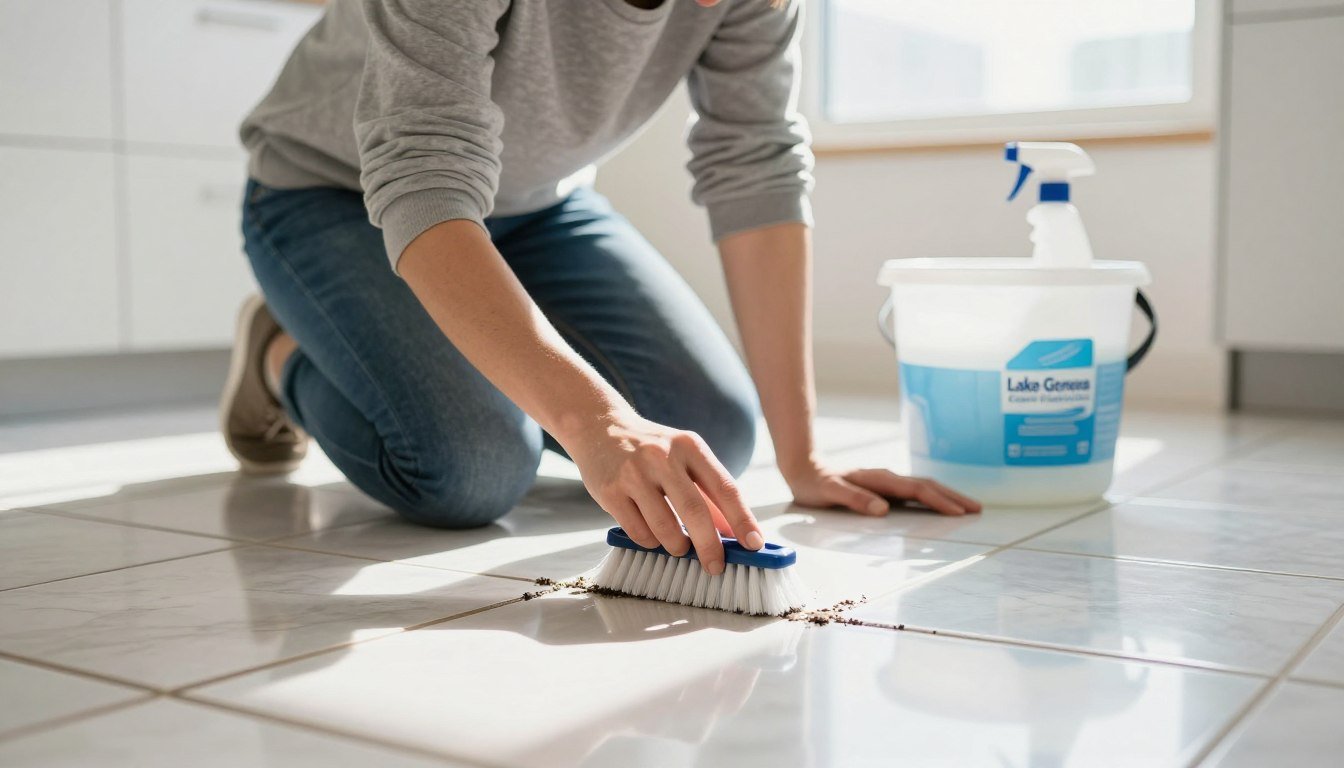
Keeping your floors clean is a big deal for homeowners in Walworth County. Your home shows your dedication to quality and comfort. Protecting your investment doesn’t mean you need expensive tools.
Many people wonder: How to clean tile/grout when you are not a professional? The secret is using safe, effective methods. Our team has perfected these techniques through years of experience.
By following our advice, you can keep your home safe and beautiful. We share practical tips that make your floors look new without stress.
Key Takeaways
- Prioritize safe, non-toxic solutions for daily floor maintenance.
- Use soft-bristled brushes to prevent surface damage during scrubbing.
- Consistent, light maintenance prevents deep-set stains from forming.
- Understand the specific needs of your flooring material before starting.
- Trust in simple, effective techniques refined by industry experts.
Understanding the Basics of Tile and Grout Maintenance
Many homeowners get upset when their grout lines stay dirty, no matter how hard they try to clean them. To keep your floors looking great, you need more than just a quick mop. By using some tile cleaning tips from experts, you can keep your floors in excellent condition and your home looking new.
Why Grout Becomes Discolored Over Time
Grout is very porous, like a sponge. It soaks up spills, cooking oils, and dirt from shoes easily. These substances get stuck deep in the grout lines over time.
Because grout is below the tile surface, it catches dirt that cleaning often misses. This dirt hardens, causing the grout to look dirty. Regular maintenance is key to stopping these stains before they set in.
The Difference Between Surface Cleaning and Deep Cleaning
Some people think regular cleaning is enough, but it’s not. Mopping just gets rid of surface dust and dirt. It doesn’t reach the deep grime in the grout lines.
Deep cleaning needs special tools to get out the dirt from hard-to-reach places. We suggest using tile cleaning tips from pros to avoid just moving dirt around. Knowing the difference between surface and deep cleaning is the first step to making your floors shine again.
Essential Tools and Supplies for DIY Grout Cleaning
Starting a home project needs more than just hard work. You need the right tools. When you decide to diy grout cleaning, how well you prepare matters a lot. We want to make sure you have everything to get a clean finish without damaging your tiles.

Choosing the Right Cleaning Solutions
Choosing the right cleaner is key for easy grout cleaning tricks that really work. Most cleaners from stores are too harsh or don’t get rid of tough grime well. For regular cleaning, use a pH-neutral cleaner to keep your grout lines sealed.
Manual Scrubbing Tools vs. Mechanical Assistance
Whether to use your hands or a machine depends on the size of your space. A handheld brush is great for small bathrooms. But for bigger areas, a mechanical scrubber is better. These machines apply even pressure, hard to do by hand.
Selecting the correct brush stiffness
Choosing the right brush is important. It should be stiff enough to clean but not scratch your tiles. A medium-stiffness nylon brush is usually best for most tiles. Stay away from wire brushes, as they can damage your tile’s finish.
Safety gear for handling cleaning agents
Your safety is a must when do-it-yourself grout cleaning. Always wear gloves that can resist chemicals to avoid skin irritation. Also, wear safety goggles to protect your eyes from splashes while scrubbing.
| Tool Type | Best Use Case | Safety Level | Efficiency |
|---|---|---|---|
| Nylon Scrub Brush | Small areas | High | Moderate |
| Mechanical Scrubber | Large floors | Moderate | High |
| Microfiber Cloth | Final wiping | High | High |
Step-by-Step Guide on How to clean tile/grout when you are not a professional?
We’ve created a reliable method for you to take care of your tile maintenance with confidence. Learning how to clean tile/grout when you are not a professional? is a great way to protect your home. By following these steps, you can get results that are as good as a professional service.
Preparing the Area for Cleaning
Getting ready is key to a successful cleaning job. We suggest removing all furniture, rugs, and loose items from the room first.
A clean space lets you move easily and avoids dirt getting trapped. Spending time on prep helps avoid damage to your belongings.
Applying the Cleaning Solution Effectively
After clearing the area, spread your cleaning solution evenly over the grout lines. It’s important to let it sit for a while to break down tough stains.
Don’t hurry this step. The solution needs time to soak into the grout. If it starts to dry, just mist it with water to keep it working.
Scrubbing Techniques for Stubborn Stains
When cleaning as a non-professional, aim to scrub the grout without wearing it down. Use a stiff-bristled brush and move in small circles.
Start with the most stained areas first. Be consistent in your scrubbing to get the grime out of the grout’s pores.
Rinsing and Drying the Surface Properly
After scrubbing, you need to wash away the dirt and solution. Use a clean mop and fresh water to rinse the whole area well.
Soap left behind can attract dirt, making your floors look dull fast. Finish by drying the surface with a towel or microfiber cloth. This completes the simple tile cleaning techniques for a lasting shine.
Common Mistakes to Avoid During Home Tile Cleaning
Many homeowners accidentally damage their tile floors during cleaning. They look for home tile cleaning hacks to save time but end up removing protective layers. It’s key to know what not to do as much as how to clean.

Using Harsh Chemicals That Damage Sealant
Store-bought cleaners often have harsh acids or abrasives. These can destroy the sealant on your floors. Once the sealant is gone, your floors attract dirt and stains easily.
“The most common error we encounter is the use of high-pH cleaners on natural stone or sealed grout, which leads to irreversible etching and dullness.”
Over-wetting the Grout Lines
It’s tempting to use lots of water to clean, but it’s a big mistake. Too much water can get into the grout and subfloor, causing dampness. This can lead to hidden mold growth and structural problems.
- Always use a damp mop, not a soaking wet one.
- Make sure the room is well-ventilated while drying.
- Don’t use high-pressure sprayers inside your home.
Neglecting the Importance of Rinsing
Many skip the final rinse, thinking the cleaner will keep working. But, this leaves a sticky residue that attracts dust and dirt. This is a big non-pro grout cleaning secret that makes floors look dirty soon after cleaning.
Always rinse your floors with clean, fresh water to remove soap film. This step keeps your tile clean longer. By avoiding these mistakes, you protect your floors and keep your home looking great.
When to Call the Experts at Lake Geneva Carpet Cleaning
Keeping your tile and grout clean can be tough, mainly when dirt gets stuck deep. Regular cleaning helps, but sometimes your floors need more. That’s when Lake Geneva Carpet Cleaning steps in to make them look new again.
Limitations of Household Cleaning Methods
Store-bought cleaners and brushes only clean the top layer. They can’t get into the grout’s pores, leaving bacteria and dirt hidden. Scrubbing too much can also damage the sealant, making your floors more prone to stains.
The Power of Truckmounted Cleaning Machines
Our advanced truckmounted machines offer a deep clean that portable units can’t. By choosing Lake Geneva Carpet Cleaning, your home gets top-notch cleaning technology.
Understanding the 1000 PSI Advantage
Our machines use 1000 PSI to remove deep dirt. This high pressure gets into the grout’s tiny pores. It cleans up dirt that manual scrubbing can’t reach.
The Benefits of Professional Pre-conditioning and Extraction
We start by using a special pre-conditioner to break down tough dirt. Then, we rinse and extract with high pressure. This leaves your floors clean and dry.
| Feature | DIY Cleaning | Professional Service |
|---|---|---|
| Pressure Level | Manual Force | 1000 PSI |
| Dirt Removal | Surface Only | Deep Extraction |
| Chemical Use | Standard Soaps | Specialized Pre-conditioner |
How to Reach Lake Geneva Carpet Cleaning at 262-581-6140
Ready for a professional cleaning? Call Lake Geneva Carpet Cleaning at 262-581-6140. Our team is eager to give your home the care it needs.
Conclusion
Keeping your tile and grout looking great is a mix of daily care and deep cleaning. You now know how to keep your floors in top shape. This way, your floors will stay beautiful for many years.
Some stains are tough to get rid of with just household tools. Our team at Lake Geneva Carpet Cleaning uses special truckmounted equipment. This equipment gets deep into surfaces, removing dirt that regular scrubbing can’t.
Your home is worth the best care. We’re committed to keeping your floors looking great with our proven methods. Call us at 262-581-6140 when your floors need a deep clean. Our experts are ready to make your floors shine today.
Leave a Reply