
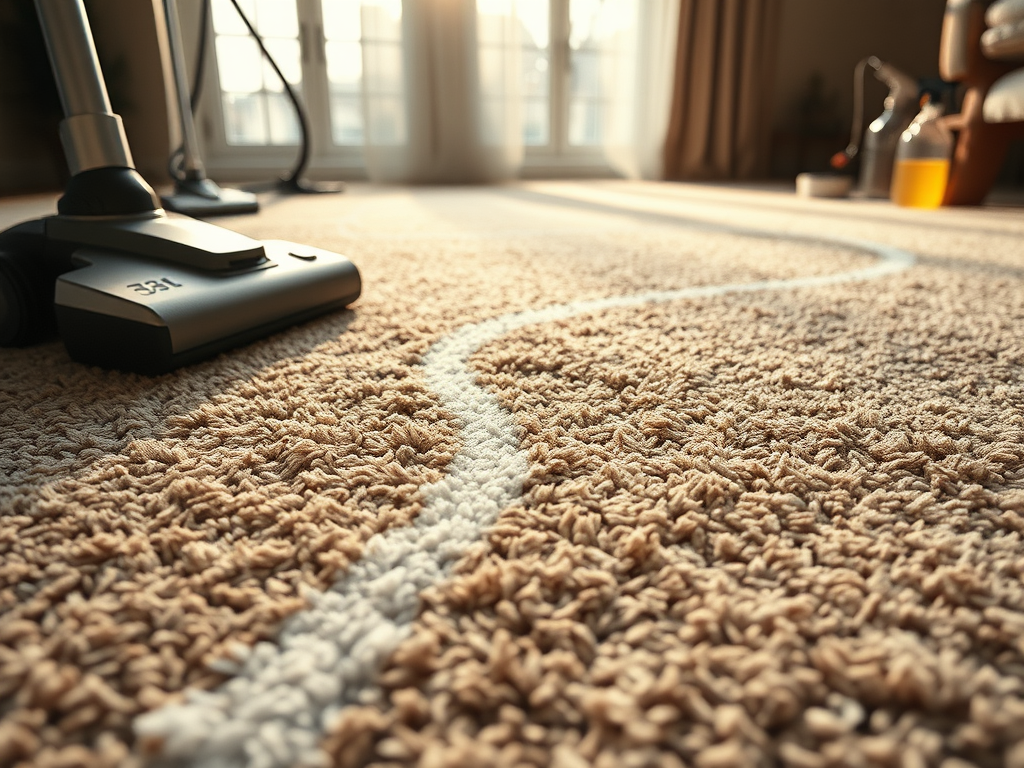
By late winter, you can usually see the problem before you even take your boots off. White salt lines near the entry, dark traffic lanes, gritty soil worked down into the pile, and that damp, dirty look that never seems to fully dry out. In Wisconsin, winter does not stay outside. It gets tracked in day after day, and carpets take the hit.
That is why carpet cleaning after winter salt and mud needs to be handled the right way. Salt residue is not just ugly. Mud is not just surface dirt. Together, they grind into carpet fibers, dull the appearance, and leave behind residue that keeps attracting more soil. If you wait too long or clean it the wrong way, the carpet can start looking worn long before its time.
This is one of those jobs where technique matters. Good carpet care in spring is not about soaking the area and hoping for the best. It is about removing what winter left behind without driving it deeper into the carpet.
Why winter salt and mud are hard on carpet
A lot of homeowners assume winter mess is basically the same as ordinary dirt. It is not. Road salt and sidewalk deicers leave behind a fine mineral residue that clings to fibers and often dries into a chalky film. Mud brings in organic soil, grit, and moisture. Once people keep walking over it, that mixture gets packed down into the carpet backing and high-traffic lanes.
Salt is especially tough because it does two things at once. First, it leaves visible white or gray staining near doorways and walk-off areas. Second, it acts like a magnet for more dirt. Even after the carpet looks dry, leftover residue can keep grabbing onto soil from shoes, pets, and everyday foot traffic.
Mud creates a different problem. If you attack it while it is still wet, you can smear it and spread it wider. If you ignore it, it dries, breaks apart, and settles deeper into the carpet. Add repeated freeze-thaw weather, kids running in and out, and pets tracking in slush, and the carpet can go from clean to beat up in a matter of weeks.
Carpet cleaning after winter salt and mud starts with dry soil removal
Before any spot treatment or deep cleaning begins, dry soil needs to come out first. This step gets skipped all the time, and that is one reason do-it-yourself efforts often disappoint.
If mud has dried, vacuum slowly and thoroughly over the area before adding moisture. A strong vacuum can pull out loose grit, dried soil, and some of the salt crystals sitting in the pile. If you go straight to water or carpet spray, that dry debris can turn into a muddy paste.
For heavier buildup, a vacuum alone may not be enough, but it is still the right starting point. It reduces the amount of abrasive soil left in the carpet and makes the next step more effective.
What to do about salt residue and traffic lane buildup
Salt residue near entrances usually needs more than a quick household spot cleaner. The white marks you see are often minerals left behind after moisture evaporates. Surface cleaning might lighten them, but if residue remains lower in the carpet, the problem can return.
A light rinse with clean water and blotting can help in small areas if the buildup is fresh and minor. The key is blotting, not scrubbing. Scrubbing can rough up carpet fibers and push the residue farther down. Use a clean white towel so you can see what is transferring out of the carpet.
That said, there is a limit to what a towel and spray bottle can do. Once salt and soil are embedded through repeated traffic, the carpet usually needs a deeper flush and extraction process to fully remove the contamination. That is where professional hot water extraction stands apart. It does not just clean the tips of the fibers. It is designed to rinse and recover the soil, residue, and moisture from deep in the carpet.
Why store machines often fall short
This is where many carpets get into trouble. A rental machine can look like the practical answer, but winter soil is exactly the kind of mess that exposes its limits.
The issue is not just whether a machine sprays water. The issue is whether it can recover enough of that water, along with the dissolved salt, mud, and grime. Weak extraction leaves behind moisture and residue. That can lead to recurring spots, stiff carpet, lingering odors, and longer dry times.
There is also the risk of over-wetting. Entry areas and traffic lanes often need aggressive flushing, but too much water without strong recovery can create problems of its own. Carpet should be cleaned deeply, not soaked and left to fend for itself.
Truckmounted hot water extraction gives a professional cleaner more heat, stronger vacuum power, and better rinse capability than portable consumer equipment. That matters after winter because the goal is not cosmetic improvement alone. The goal is to remove the material that has been ground into the carpet over months of slush, salt, and foot traffic.
The right way to handle mud spots before they set
If the mud is fresh, slow down. Blot up the moisture first with a clean towel. Do not rub it side to side. That only spreads the spot and works it deeper into the pile.
Once the area dries, vacuum out the remaining dry soil. If a mark is still left behind, a proper spot treatment may help, but this depends on what came in with the mud. Plain yard dirt is one thing. Mud mixed with deicer, vehicle grime, pet traffic, or organic matter is another. What looks like one stain is often a combination of several.
That is why some spots lighten but never fully disappear with basic home treatment. The visible stain may be only part of the issue. The rest is trapped residue below the surface, and until that is flushed out, the carpet can still look dingy.
Why spring is the best time for a professional cleaning
There is a practical reason so many homeowners schedule carpet service at the end of winter. By spring, the season’s damage is already in the carpet, and waiting longer usually means more wear.
Salt and grit are abrasive. Every trip across the carpet grinds those particles against the fibers. Over time, that can make traffic lanes look permanently dull, even after they are cleaned. Getting the carpet professionally cleaned sooner helps remove the material that is causing that wear.
Spring cleaning also helps with indoor air quality. Winter means closed windows, tracked-in contaminants, pet dander, and heavy indoor use. A deep cleaning removes more than what you can see on the surface. For families, pet owners, and businesses that want their space looking and feeling cleaner, that matters.
When professional service is the smarter call
Some winter messes can be managed with prompt attention at home. But if you are seeing white salt lines, dark lane buildup, recurring spots, musty odor, or heavy soil near entrances, it is usually time for professional help.
The difference is not marketing language. It is equipment, training, and cleaning method. A trained technician knows how to treat heavily soiled traffic areas, rinse out residue, and clean the carpet without leaving it overloaded with moisture or sticky cleaning agents. That is the difference between a carpet that looks cleaner for a day and one that is actually cleaned to a higher standard.
For homes and small businesses in the Lake Geneva area, this is exactly the kind of seasonal buildup that calls for experienced service. Lake Geneva Carpet Cleaning uses truckmounted hot water extraction along with safe, effective cleaning agents to remove embedded winter soil, salt residue, odors, and tracked-in grime from carpet fibers. If your carpet looks like winter never ended, call 262-581-6140 or visit https://lakegenevacarpetcleaningwi.com to schedule service.
How to keep the problem from coming right back
Even the best cleaning works better when the carpet is protected afterward. Entry mats outside and inside the door help cut down on what gets tracked in. Taking shoes off at the door helps even more, especially during slushy weeks. More frequent vacuuming in high-traffic areas during winter and early spring also goes a long way.
Still, prevention only does so much in a Wisconsin winter. If your carpet has been through months of salt, mud, moisture, and traffic, a true deep cleaning is often the reset it needs.
A carpet should not keep telling the story of every snowstorm that came through your front door. When winter leaves behind salt lines, grit, and muddy traffic lanes, the right cleaning can make the whole room feel finished again.
Call Lake Geneva Carpet Cleaning at 262-581-6140
Leave a Reply